
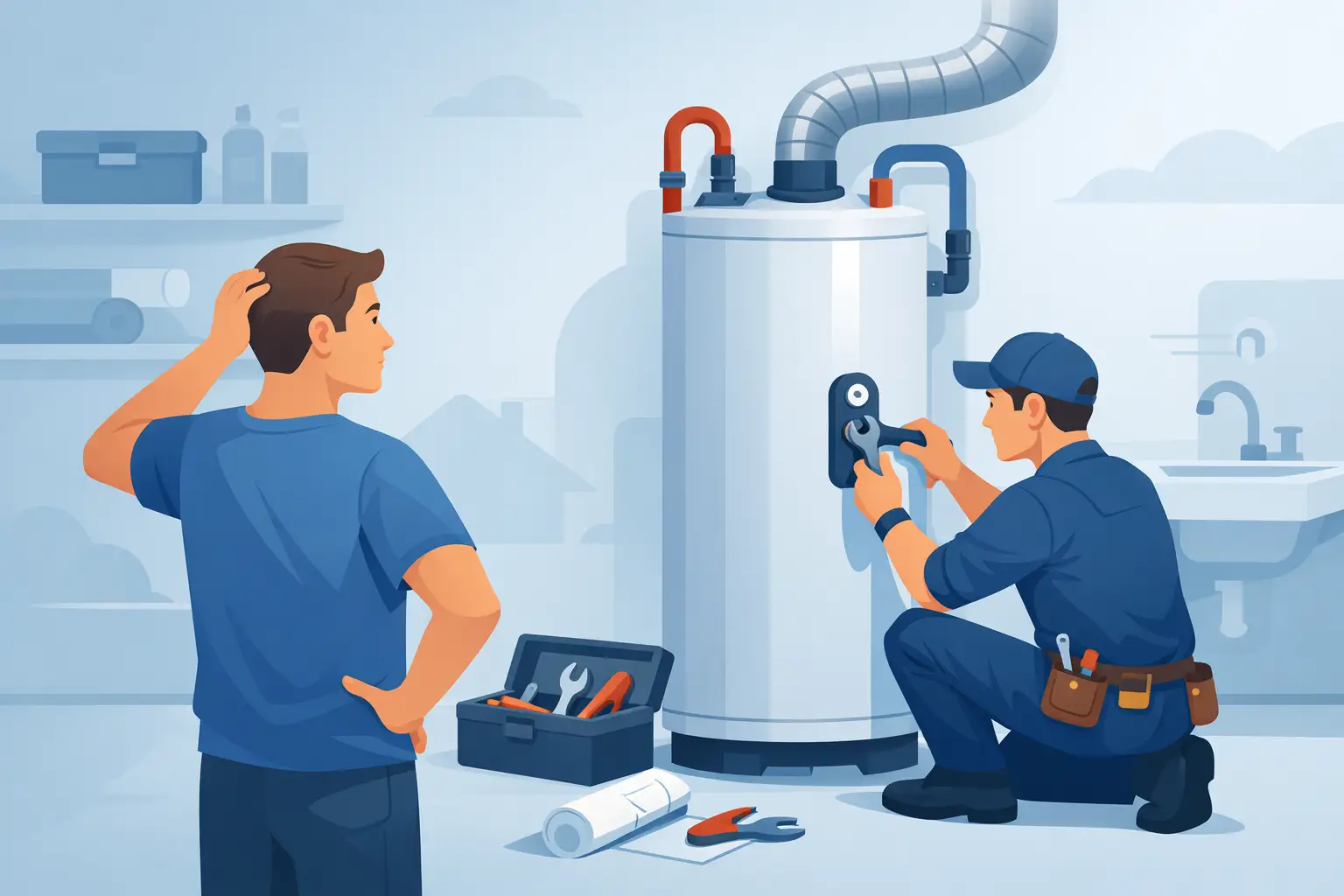
A water heater replacement looks simple right up until you start tracing the gas line, the venting, the pressure relief valve, and the electrical connections. That is why homeowners often ask, can anyone install a water heater? The short answer is no – not if you want it done safely, up to code, and without creating expensive problems later.
Some home projects are forgiving. Water heater installation is not one of them. A bad flooring install might look crooked. A bad water heater install can lead to gas leaks, water damage, scalding risk, failed inspections, or a unit that never performs the way it should.
Can anyone install a water heater legally and safely?
Legally, it depends on local code, permit rules, and the type of water heater being installed. Safely, the answer is much narrower. Even when a homeowner is allowed to do the work on their own property, that does not mean it is a good idea.
A standard tank water heater has more going on than many people expect. There is the fuel source, whether gas or electric. There is the water supply, shutoff valves, drainage, expansion control, earthquake strapping in some areas, venting requirements for gas models, and temperature and pressure relief protection. If any of those pieces are installed incorrectly, the unit can become a hazard or fail early.
For businesses and property managers, the answer is even clearer. Commercial properties, multifamily systems, and tenant-occupied buildings usually carry stricter compliance expectations and liability concerns. In those cases, professional installation is not just practical – it is the responsible move.
Why water heater installation is more technical than it looks
From a distance, replacing a water heater can seem like disconnecting the old one and hooking up the new one. In practice, the details are what matter.
Sizing is one of the first issues. A water heater that is too small will leave people without enough hot water. One that is too large can waste energy and money. Moving from one fuel type or unit style to another can also require changes to venting, gas supply, electrical capacity, or plumbing layout.
Gas water heaters raise the stakes further. Improper gas connections can create leak risks. Incorrect venting can cause combustion problems or backdrafting. Those are not cosmetic mistakes. They are safety issues.
Electric models avoid combustion concerns, but they still require correct wiring, breaker sizing, grounding, and code-compliant connections. A poor electrical installation can trip breakers, damage the unit, or create shock hazards.
Then there is the matter of water pressure and thermal expansion. In many systems, expansion control is necessary to protect fixtures and the heater itself. The temperature and pressure relief valve discharge also has to be routed properly. That valve is not optional. It is a critical safety device.
When DIY installation goes wrong
Most failed installations do not start with reckless intent. They start with someone trying to save money and assuming the new unit matches the old one closely enough. That is where trouble begins.
Sometimes the replacement heater is not the same height, diameter, or vent connection type. Sometimes old shutoff valves no longer seal. Sometimes the existing venting was never correct to begin with, and the new install exposes that problem. In older buildings, existing piping or electrical service may not meet current code.
Another common issue is warranty protection. Many manufacturers place limits on warranty coverage if installation was not completed according to their requirements or by a qualified professional. So the money saved upfront can disappear quickly if the new water heater fails and the claim is denied.
There is also the question of insurance and property damage. If a water heater bursts, leaks, or causes a fire due to improper installation, the downstream cost can far exceed the original installation price.
Who should install a water heater?
A qualified plumber or licensed contractor with direct water heater experience should install it. That matters even more if the unit is gas-fired, tankless, part of a recirculation system, or tied into a commercial property.
Experience with water heaters specifically is valuable because these systems sit at the intersection of plumbing, gas, venting, electrical work, and code compliance. A contractor who handles water heaters regularly is more likely to spot issues before they become problems, such as undersized venting, poor drainage conditions, or improper gas shutoff placement.
For homeowners, the practical question is less about whether you are physically capable of lifting tools and more about whether you can identify hidden risks. For property managers and business owners, it is about reducing liability and keeping the building operating without interruption.
Can anyone install a water heater if it is the same model?
Even replacing a unit with the same size and style does not make the job automatic. The old installation may have code issues. The new model may have different clearance requirements. Supply lines, vent connectors, seismic restraints, drain pans, and expansion tanks may all need updates.
That is especially true when replacing an aging unit. Building standards, product requirements, and local inspection practices change over time. A direct swap on paper can still require real corrections in the field.
This is one reason experienced installers do more than connect pipes. They evaluate the full setup. They look at safety, access, drainage, fuel supply, and long-term performance.
The permit question matters more than people think
Permits are not just paperwork. They exist because water heaters involve life-safety systems. In many jurisdictions, a permit is required for replacement, especially for gas units and installations involving changes to plumbing, venting, or electrical components.
Skipping the permit can cause issues when selling a property, filing an insurance claim, or dealing with an inspection after a problem occurs. It can also mean the installation was never independently checked for compliance.
For owners trying to protect a home or commercial building, that is a risk not worth taking. Proper installation includes handling the permit and meeting local code requirements, not just getting hot water running again.
What professional installation actually buys you
The value of professional installation is not just labor. It is risk control.
A trained installer helps make sure the water heater is correctly sized, properly connected, safely vented, and compliant with current requirements. They also test the system under operating conditions, verify that safety devices are functioning, and check for leaks or performance issues before the job is considered complete.
That matters on day one, but it matters even more six months later. Proper installation can help extend equipment life, reduce nuisance issues, and avoid the quiet problems that lead to major damage, like slow leaks or unstable pressure conditions.
For urgent replacements, it also saves time. When a water heater fails, most people are not looking for a weekend project. They want hot water restored quickly, safely, and with confidence that the system will hold up.
The local factor in Reno and Sparks
In the Reno-Sparks area, seasonal temperature swings and varying property types can affect installation needs. Older homes may have outdated plumbing or venting conditions. Commercial spaces and multifamily properties often require a more careful approach to capacity and continuity of service.
That is why local experience helps. A contractor familiar with regional code expectations and common building conditions can usually identify problems faster and recommend the right solution without trial and error.
Reno Sparks Water Heaters has worked in this space since 1994, and that kind of focused experience matters when the job involves gas, hot water, and building safety.
So, can anyone install a water heater?
Anyone can buy a water heater. Not everyone should install one.
If you are talking about safe, code-compliant, warranty-conscious installation, the job belongs with a qualified professional. That is true for homeowners who want to avoid costly mistakes, and even more true for property managers and business owners who cannot afford downtime or liability.
A water heater is one of those systems that only feels simple when nothing goes wrong. The better approach is to treat it like what it is – essential equipment that deserves to be installed correctly the first time.
If your current unit is failing, leaking, underperforming, or due for replacement, the smartest next step is not guessing your way through it. It is getting clear answers before a preventable problem turns into a bigger one.
Leave a Reply