Category: Uncategorized

  • How Long Does a Water Heater Installation Take?

    How Long Does a Water Heater Installation Take?

    When your hot water is out, the question is usually not just cost. It is how long does a water heater installation take, and how soon can life get back to normal.

    For most homes, a standard water heater replacement takes about 2 to 4 hours. That is the short answer. The longer answer is that installation time depends on what is being replaced, whether the new unit matches the old setup, and whether the installer runs into code, venting, gas, or water line issues that need to be corrected before the job is safe.

    If you are planning ahead, that estimate helps. If you are dealing with a leaking tank or no hot water at all, it helps even more to know what can speed the job up and what can slow it down.

    How long does a water heater installation take in most homes?

    A like-for-like replacement is usually the fastest kind of job. If the existing unit is easy to access, the fuel type stays the same, and the new tank is close in size and configuration to the old one, installation often falls in that 2 to 4 hour range.

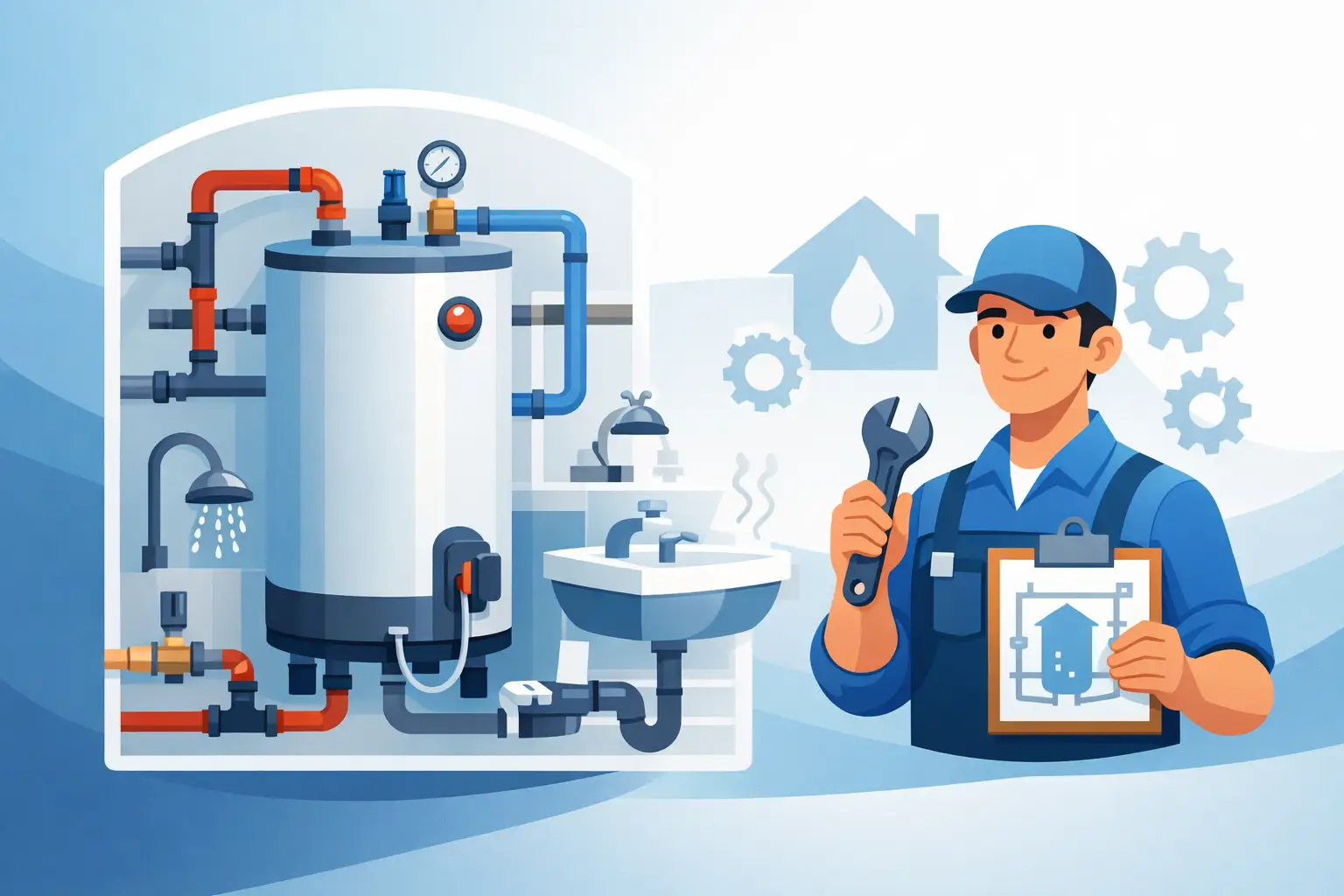
    That timeline usually includes shutting off utilities, draining and removing the old heater, setting the new unit in place, making water and energy connections, testing the system, and confirming proper operation. It may also include hauling the old unit away.

    A more complex installation can take 4 to 8 hours or longer. That is common when the new water heater is a different type, when older connections need to be brought up to code, or when access is tight. In commercial settings or larger properties, timing can stretch further depending on system size and building requirements.

    What affects water heater installation time?

    The biggest factor is whether this is a straightforward replacement or a change to the system.

    If you are replacing a gas tank with another gas tank of similar size, the work is usually more predictable. If you are switching from tank to tankless, electric to gas, or moving the water heater to a new location, the job becomes more involved. That can mean extra venting work, gas line changes, electrical upgrades, wall modifications, or permit coordination.

    The condition of the existing setup matters too. Older homes sometimes have valves that no longer shut off properly, corroded fittings, outdated venting, or insufficient earthquake strapping. Those issues may not be obvious until the old heater is disconnected. A good installer will address them because speed does not matter if the result is unsafe or unreliable.

    Access can also change the schedule. A garage installation is usually easier than a unit tucked into a cramped closet, attic, or crawl space. Stairs, narrow doorways, and limited clearance all add labor time.

    Standard tank replacement vs. tankless installation

    If you are comparing options, this is where timelines start to separate.

    A standard tank replacement is usually the quickest route. The connections are often similar, the location stays the same, and the job can often be completed in one visit without major changes.

    A tankless water heater installation often takes longer, commonly 4 to 8 hours and sometimes more. Tankless systems may require upgraded gas sizing, new venting materials, condensate drainage, electrical work, and mounting changes. The payoff is efficiency and endless hot water, but the installation is rarely as simple as swapping one tank for another.

    That does not mean tankless is a bad choice. It just means timeline should be part of the decision. If you need hot water restored as fast as possible, a direct tank replacement is often the faster solution.

    What happens during the installation?

    Homeowners and property managers usually want to know what the crew is actually doing during those hours.

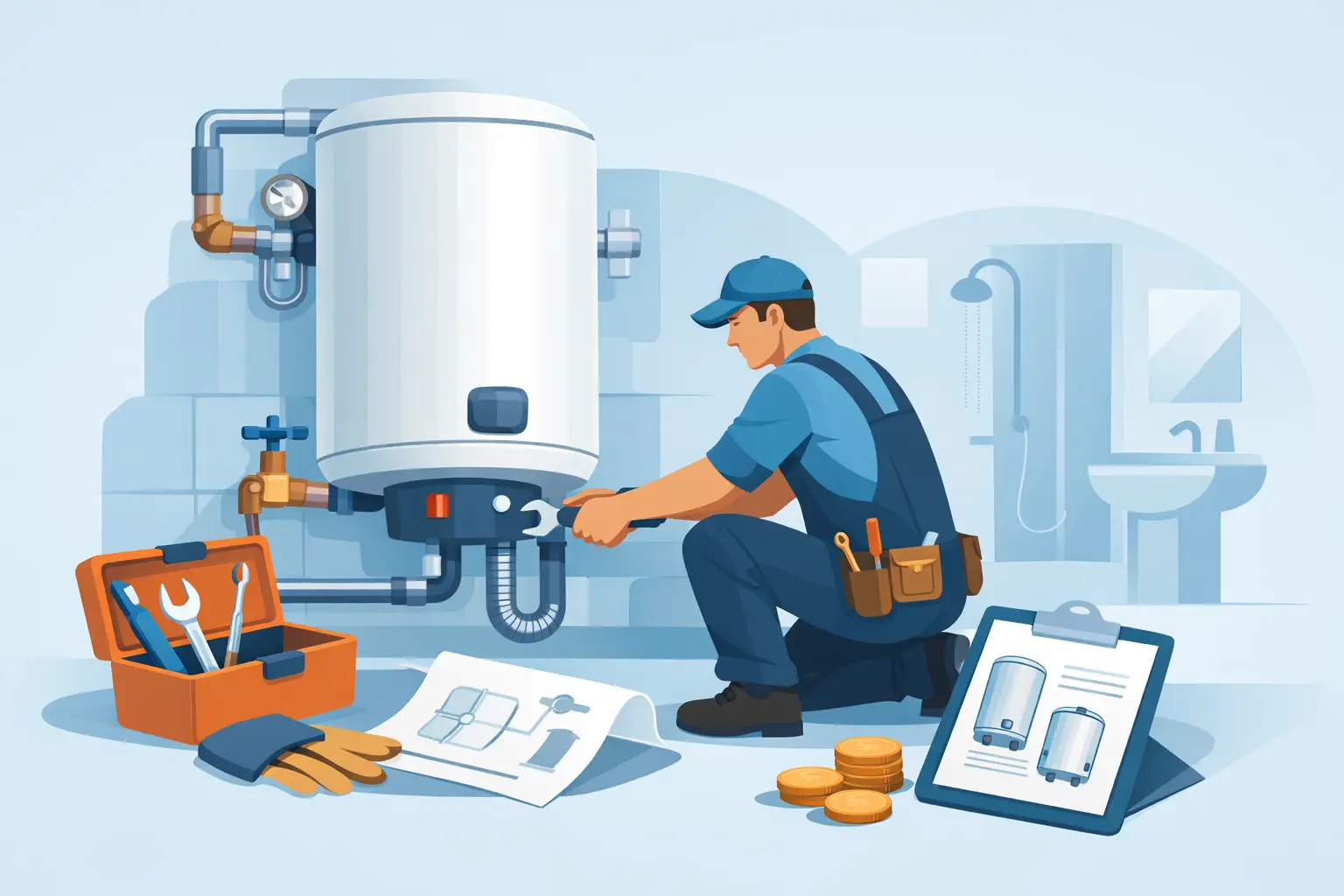
    The process starts with shutting off the water supply and the power or gas to the existing unit. The old tank is then drained and disconnected. Depending on its condition, draining alone can take some time, especially if sediment buildup slows the process.

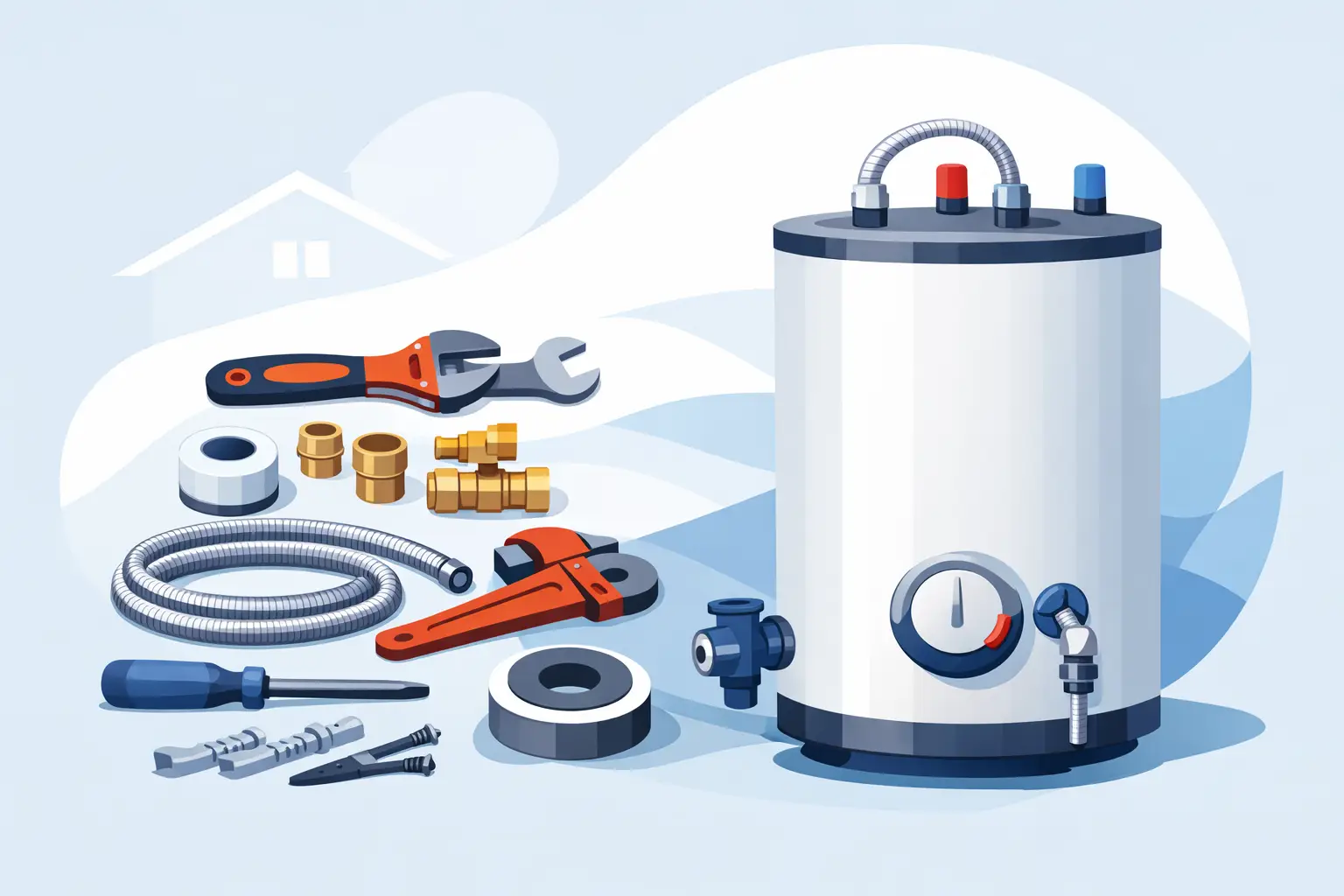
    Once the old heater is removed, the installer prepares the area for the new unit. That can include replacing connectors, installing a new shutoff valve, adjusting venting, setting a drain pan, or updating safety components. The new heater is then placed, connected, filled, and tested.

    The final stage matters as much as the physical install. The system should be checked for leaks, proper vent draft if gas-fired, safe temperature settings, and consistent hot water delivery. A professional installation is not finished the moment the tank is standing upright. It is finished when the system is working correctly and safely.

    Why some installations take longer than expected

    Even a routine job can run long for reasons that are legitimate and necessary.

    One common issue is code compliance. If the old installation was done years ago, it may not meet current standards. Bringing it up to code can involve vent corrections, expansion tanks, seismic straps, drain pans, or updated shutoff and relief valve piping. Those are not extras for show. They are there to protect the property and the people in it.

    Another delay comes from hidden deterioration. Corroded supply lines, damaged flue connections, failing gas valves, or water damage around the base of the old unit can add repair work before a new heater can be set safely.

    Sometimes the problem is not the heater at all. If the home has poor water pressure, undersized gas service, or electrical limitations, the installer may need to correct related issues to make the new system perform as intended.

    How long will you be without hot water?

    In most standard replacements, you can expect to be without hot water during the installation itself and for a short period afterward while the tank fills and heats. For many households, that means several hours total.

    With a gas tank water heater, recovery can begin fairly quickly once the unit is operational. Electric models may take longer to fully heat the stored water. Tankless units heat on demand, but only after installation, setup, and testing are complete.

    If timing is critical, ask your installer up front when hot water is likely to be restored, not just when the crew expects to finish. Those are related, but not always the same.

    How to keep the job moving

    There are a few practical steps that help avoid unnecessary delays.

    Make sure the installer has clear access to the water heater and surrounding area. If the unit is in a closet, garage, or utility room, move stored items ahead of time. If someone needs to be on-site to approve changes or answer questions, be available.

    It also helps to know the basics of your current system before the appointment. Is it gas or electric? Tank or tankless? How old is it? Has it been leaking? Have you noticed rust-colored water, inconsistent temperature, or strange noises? Clear information can speed up diagnosis and help the installer arrive prepared.

    If you are choosing between repair and replacement, do that decision-making before the emergency gets worse. Waiting until the tank fails completely usually narrows your options and adds pressure to the schedule.

    When fast installation should not be the only goal

    Everybody wants the job done quickly. That is reasonable. But a water heater connects to water, fuel or electricity, venting, and safety controls. This is not a fixture that should be rushed just to save an hour.

    A too-fast installation can miss important issues, especially on gas units or in older buildings. Improper venting, loose water connections, poor drainage, or incomplete testing can lead to bigger problems after the crew leaves. The better standard is efficient and correct.

    For homeowners and businesses in Reno and Sparks, that matters even more during colder weather or when hot water downtime affects tenants, staff, or customers. An experienced installer should work promptly, but also know when the right answer is fixing what is behind the wall or around the unit before putting a new heater into service.

    Reno Sparks Water Heaters has seen both kinds of jobs since 1994 – the quick, clean replacement and the installation that uncovers deeper issues. Knowing the difference is part of doing the work right.

    The realistic answer

    So, how long does a water heater installation take? Usually 2 to 4 hours for a basic replacement, and 4 to 8 hours or more for a more involved job. The exact timeline depends on the type of heater, the condition of the existing setup, access, and whether upgrades or repairs are needed along the way.

    If your goal is the shortest possible outage, a like-for-like replacement is usually the fastest path. If your goal is better performance, efficiency, or a system change, expect more time and plan for it. Either way, a clear estimate from a qualified installer will tell you much more than a generic online number ever will.

    When hot water is gone, time matters. But having the installation done safely, correctly, and with no loose ends matters longer.

  • How Much Does Water Heater Installation Cost?

    How Much Does Water Heater Installation Cost?

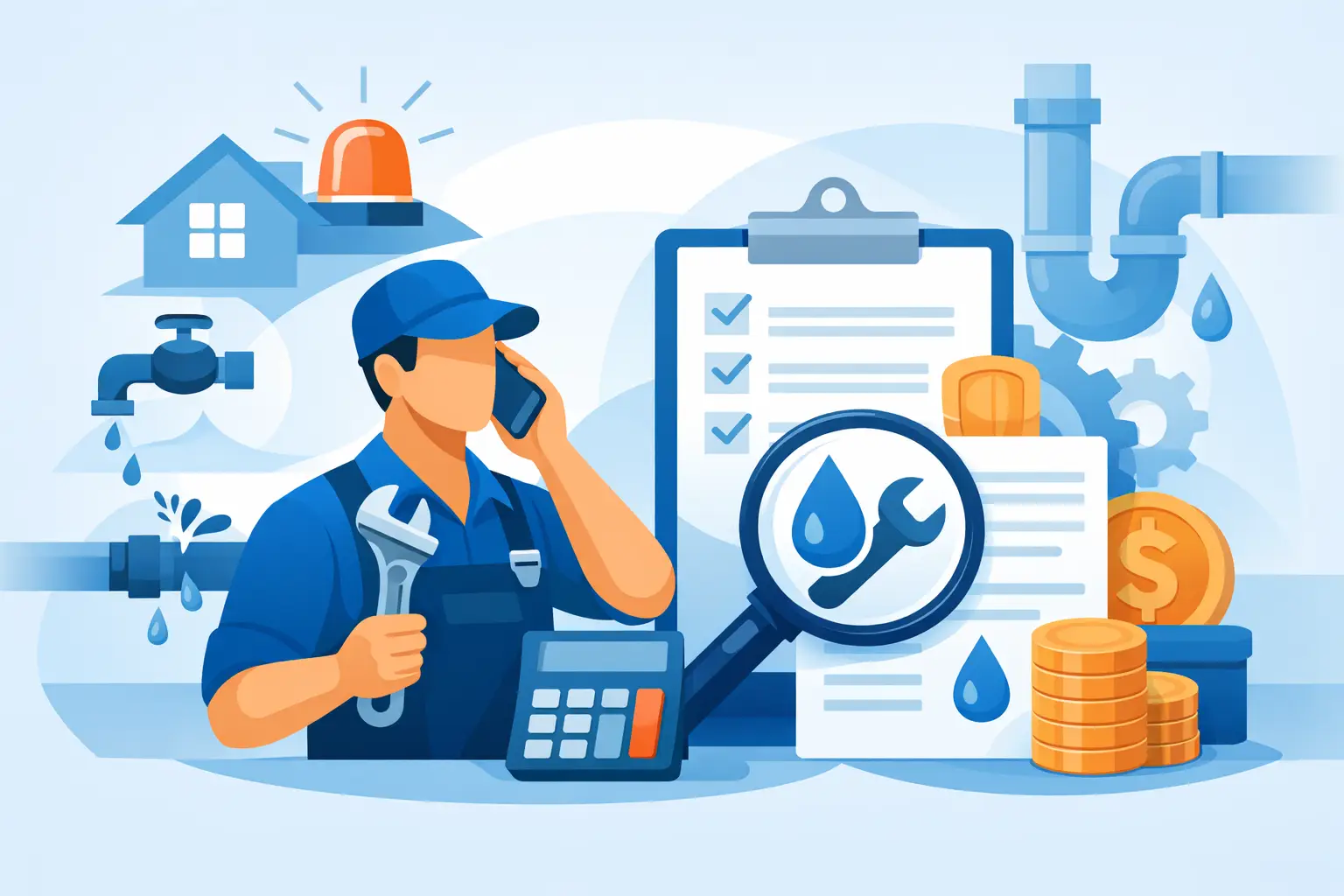
    A water heater usually gets your attention at the worst possible time – no hot water before work, a leaking tank in the garage, or a commercial unit that puts your day behind schedule. If you’re asking how much does water heater installation cost, the honest answer is that price depends on the type of unit, the condition of the existing setup, and whether the job is a straightforward replacement or a more involved upgrade.

    For most property owners, the total cost is not just about the new water heater itself. Installation labor, code updates, venting, gas or electrical connections, permits, and disposal of the old unit can all affect the final number. A basic swap is one thing. Reworking an older system is another.

    How much does water heater installation cost in real-world terms?

    In many cases, a standard residential tank water heater installation falls somewhere between about $1,500 and $3,500, depending on size, fuel type, and the work required on site. Tankless installation often runs higher, commonly landing between $3,000 and $6,500 or more, especially if the home needs gas line upgrades, electrical work, or venting changes.

    Those are broad working ranges, not flat rates. A like-for-like replacement in an accessible location will generally cost less than installing a different style of unit or bringing an older system up to current code. Commercial systems can vary even more because sizing, recovery needs, and building demands are different from a typical home setup.

    That is why an estimate based only on the unit price is rarely accurate. The heater is only one part of the job. Safe installation is what protects performance, efficiency, and reliability after the work is done.

    What drives water heater installation cost?

    The biggest factor is the kind of system being installed. Traditional storage tank water heaters are usually less expensive to install than tankless units because they often connect more easily to existing plumbing, gas, or electrical lines. If you are replacing an old tank with a similar new model, labor is typically more predictable.

    Tankless systems can offer efficiency and space savings, but installation is often more involved. These units may need larger gas lines, dedicated electrical circuits, new venting, or adjustments to water lines. That extra work can push the total cost up quickly.

    Size also matters. A larger household or business may need a bigger unit or multiple units to meet demand. Higher capacity heaters cost more to purchase, and they may require more substantial connections or support work during installation.

    Fuel type affects pricing too. Gas water heaters usually involve venting and gas line considerations. Electric units may be simpler in some properties, but not always. If the electrical panel is outdated or undersized, installation can become more expensive.

    Then there is access. A water heater installed in an open garage is generally easier to replace than one tucked into a tight attic, closet, or commercial utility room with limited clearance. Difficult access means more labor time, and labor time affects cost.

    Replacement vs. first-time installation

    A direct replacement is usually the most cost-effective scenario. The old unit comes out, the new unit goes in, and only minor updates are needed. Even then, it is common to find a few necessary adjustments during the job, especially in older homes and buildings.

    A first-time installation or a major conversion costs more because the infrastructure may not already be in place. For example, switching from electric to gas may require a new gas line, venting, and additional safety components. Moving the unit to a different part of the property can also add plumbing and labor costs.

    This is where estimates can vary widely from one property to the next. Two homes in the same neighborhood may need very different work behind the wall or around the installation area.

    Hidden costs property owners should expect

    Some of the most important parts of a water heater installation are the ones people do not see at first glance. Permit requirements may apply depending on the job and local code. If an expansion tank, earthquake strapping, drain pan, shutoff valve, or venting update is required, those items add to the total.

    Disposal of the old water heater can also be part of the bill. So can repairs to water damage around the existing unit if there has been a leak. In commercial settings, additional controls, recirculation needs, or scheduling around business operations can increase labor time.

    None of these are unnecessary extras. They are often part of doing the job safely and correctly. A lower quote that ignores code compliance or critical upgrades may not be the better value.

    Tank vs. tankless: which costs more over time?

    If your main concern is upfront cost, a standard tank water heater usually wins. It is less expensive to buy and, in many cases, less expensive to install. For homeowners trying to restore hot water quickly after a failure, this is often the practical option.

    Tankless systems usually cost more upfront but may offer lower operating costs over time, depending on usage patterns and utility rates. They can also provide longer service life when maintained properly. That said, the savings are not identical for every property. A small household may see different results than a busy family or a commercial facility with heavy hot water demand.

    The right choice depends on your budget, your available space, your fuel source, and how much hot water the property actually uses. The cheapest installation today is not always the lowest ownership cost over the next ten years. But the most advanced unit is not always the smartest investment either.

    When repair makes more sense than replacement

    Not every water heater problem means you need a full installation. If the issue is a failed thermostat, pilot assembly, heating element, or valve, repair may be the more economical choice. This is especially true for newer systems that are otherwise in good condition.

    Once a tank starts leaking, though, replacement is usually the right move. Age matters too. If a unit is nearing the end of its expected service life and repairs are starting to stack up, putting more money into it may only delay the next failure.

    For many property owners, the real cost question is not just installation price. It is whether spending on repair today reduces or increases the risk of a larger emergency later.

    How to get an accurate installation quote

    The best estimates are based on an actual look at the property, not a guess over the phone. A dependable contractor will want to know the age and type of the current unit, the fuel source, where the heater is located, whether there have been performance issues, and whether you want to keep the same setup or upgrade.

    You should also ask what is included in the quoted price. Does it cover removal of the old unit, permit handling, code-required components, startup testing, and cleanup? If not, the final bill may end up higher than expected.

    Clear pricing matters, but so does experience. Water heater installation touches gas, water, venting, pressure, and safety systems. A rushed or poorly executed job can create bigger problems than the one you started with.

    Why local conditions matter in Reno and Sparks

    In the Reno-Sparks area, property age, winter demand, and mixed residential and commercial building types all influence installation work. Some properties have straightforward replacement conditions. Others need updates to support safe, reliable performance.

    That is one reason local experience matters. A contractor familiar with the area is more likely to spot common installation issues before they turn into delays or surprise costs. Reno Sparks Water Heaters has been handling these kinds of jobs since 1994, and that kind of experience helps when a routine replacement turns out not to be routine.

    If your current unit is failing, the smartest next step is not chasing the lowest advertised number. It is getting a clear assessment of what your property needs, what the installation includes, and what will keep hot water dependable after the job is finished. A fair price matters, but so does knowing the system was installed right the first time.

  • Hello world!

    Welcome to WordPress. This is your first post. Edit or delete it, then start writing!