
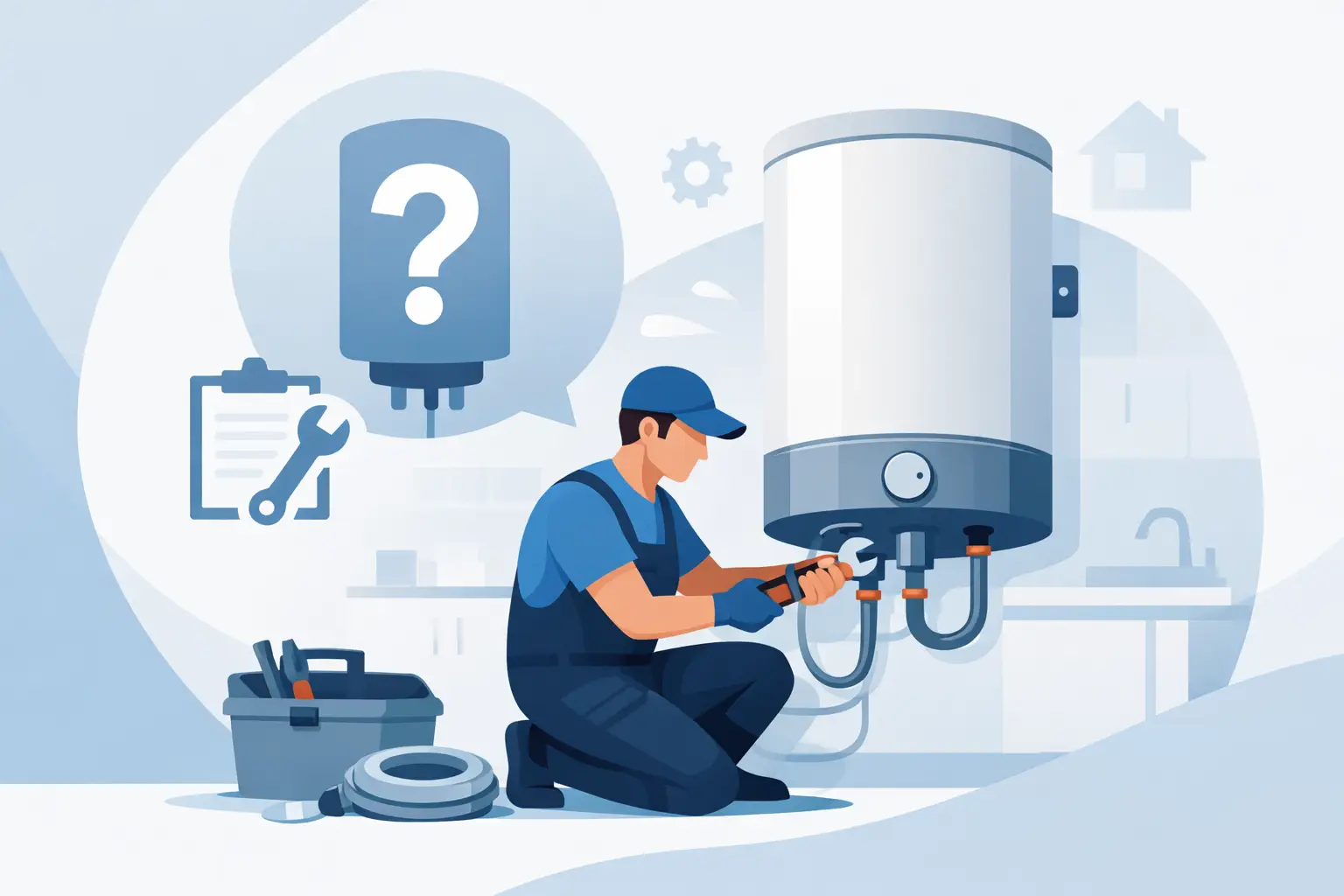
A water heater looks straightforward until you are standing in front of one with shutoff valves, fuel connections, venting, pressure relief parts, and a tank full of very hot water. So, is installing a water heater easy? In some cases, it can look manageable on paper. In real life, it is usually more technical, more regulated, and more safety-sensitive than most property owners expect.
That does not mean every installation is complicated to the same degree. Replacing an older electric tank with a similar new model in a space with modern plumbing and code-compliant connections is far simpler than converting fuel types, resizing venting, or installing a gas unit in an older building. The right answer depends on the heater type, the condition of the existing setup, and how much risk you are willing to take with a system your home or business uses every day.
Is installing a water heater easy for a homeowner?
For most homeowners, the honest answer is no – not if the goal is a safe, code-compliant, long-lasting installation. Water heaters sit at the intersection of plumbing, electrical or gas work, venting, combustion safety, and local code requirements. A mistake may not show up immediately, which is part of what makes this job deceptive.
A small leak at a fitting can damage floors, drywall, and framing over time. A venting issue on a gas heater can create carbon monoxide concerns. Incorrect temperature and pressure relief valve installation can create a serious safety hazard. Even a simple oversight, like failing to fully purge air or check for proper draft, can shorten equipment life or affect performance.
This is why many people who start by asking whether the job is easy end up asking a better question: is it worth doing yourself when hot water, safety, and property protection are on the line?
What makes one installation simple and another difficult
The easiest version of this job is a like-for-like replacement. That means the new unit matches the old one in fuel type, size, venting method, and general layout. If the shutoff valves work, the water lines are in good condition, the drain pan is appropriate, and the area already meets current requirements, the work is more predictable.
The difficulty rises fast when any part of the setup changes. Gas units bring fuel line, combustion air, and venting considerations. Electric units require proper voltage, wiring condition, breaker sizing, and grounding. Tankless installations often involve even more changes, especially if gas line sizing, venting, or electrical upgrades are needed.
Older properties can add another layer. Corroded fittings, outdated venting materials, hard-to-reach utility connections, and previous work that was never done correctly can turn what looked like a routine swap into a larger repair. In those situations, experience matters because the installer needs to recognize problems before they become failures.
Gas water heaters are not beginner projects
If the unit is gas-fired, ease should not be the standard. Safety should be. A gas water heater needs correct fuel connection, proper venting, combustion air, leak testing, and burner operation checks. If any of those steps are wrong, the consequences can be serious.
That is one reason professional installation is often the smarter route, especially for households and facilities that cannot afford downtime or avoidable hazards. In the Reno-Sparks area, where temperatures, building age, and usage demands vary widely, a gas installation should be treated as skilled trade work, not a weekend experiment.
Electric models may look easier than they are
Electric water heaters avoid combustion and venting, which makes them seem simpler. In some respects, they are. But they still require safe electrical work, secure plumbing connections, correct pressure relief setup, and proper startup procedures.
Turning power on before the tank is completely full, for example, can burn out heating elements quickly. Miswiring can trip breakers, damage components, or create shock risks. A project can feel easy right up to the point where one missed step creates a costly problem.
The hidden parts people underestimate
Most of the challenge is not removing the old tank and putting a new one in place. It is everything around that basic move.
One issue is code compliance. Water heater installations often involve expansion tanks, seismic strapping, drain pans, discharge piping, shutoff updates, and specific venting clearances depending on the equipment and building. Requirements can vary by jurisdiction, and what was acceptable years ago may not pass today.
Another issue is sizing. A heater that is too small will frustrate users and struggle during peak demand. One that is too large can cost more than necessary to buy and operate. Businesses and larger households feel this more than anyone. Restaurants, multifamily properties, and facilities with repeated hot water demand need the right system, not just a replacement that physically fits the old footprint.
Then there is the condition of the surrounding plumbing. Once old dielectric unions, supply lines, or valves are disturbed, they may start leaking. A proper installation means checking the whole connection path, not just tightening the obvious spots and hoping for the best.
When DIY might be reasonable
There are cases where a capable property owner can handle a replacement, especially with an electric tank model in a newer home, no code issues, easy access, and prior experience with plumbing and electrical work. Even then, the person doing the work needs to understand shutdown procedures, drainage, reconnection, fill and purge steps, and safety checks.
That is a narrow category. It does not apply to most emergency replacements, older homes, gas systems, or commercial properties. It also does not apply when permits, inspections, or manufacturer requirements are unclear. If you have any hesitation about the fuel source, electrical setup, venting, or local code, the job has already moved out of easy territory.
When professional installation is the better call
Professional installation is usually the better choice when the water heater is gas, the building is older, the replacement is urgent, or the system serves a business or rental property. It is also the better choice when reliability matters more than saving labor on day one.
A professional does more than connect parts. They verify compatibility, spot code issues, test for leaks, confirm proper operation, and reduce the chance of callbacks, damage, or shortened equipment life. That matters when the water heater is not a side convenience but an essential part of keeping a property functional.
For property managers and business owners, there is also the issue of accountability. If a tenant loses hot water, if a restaurant cannot operate normally, or if a leak damages occupied space, the cost of a poor installation goes well beyond the original job. Fast, correct work is usually the cheaper decision in the long run.
Cost versus risk
A lot of DIY interest comes down to labor cost. That is understandable. But water heater installation is one of those jobs where the savings can disappear quickly if anything goes wrong.
A small mistake might mean another trip to buy fittings, valves, or wiring. A larger mistake might mean water damage, failed inspection, gas leak concerns, or a shortened service life for the new unit. If the heater has to be disconnected and reinstalled professionally, the original savings can disappear fast.
That does not mean every professional installation is the same value. It means the lowest upfront cost is not always the cheapest path. A dependable install should leave you with hot water, safe operation, and confidence that the system is set up correctly from the start.
So, is installing a water heater easy or not?
If you mean physically moving one heater out and another in, sometimes yes. If you mean doing the full job correctly, safely, and in line with current requirements, usually no. Water heater installation is often simple only when everything around it is already in good shape and the installer knows exactly what to check.
That is why many homeowners start with a basic replacement plan and then run into venting problems, bad valves, outdated connections, or sizing questions they did not expect. The job is not impossible. It is just less forgiving than it looks.
Reno Sparks Water Heaters has seen that difference for decades. The easy jobs stay easy when the installation is evaluated properly. The risky jobs become much less risky when an experienced installer handles them before small issues turn into bigger ones.
If you are replacing a failing unit or planning an upgrade, the practical approach is to treat the water heater like the essential system it is. A careful installation does more than restore hot water. It protects your property, your safety, and your peace of mind.
Leave a Reply