
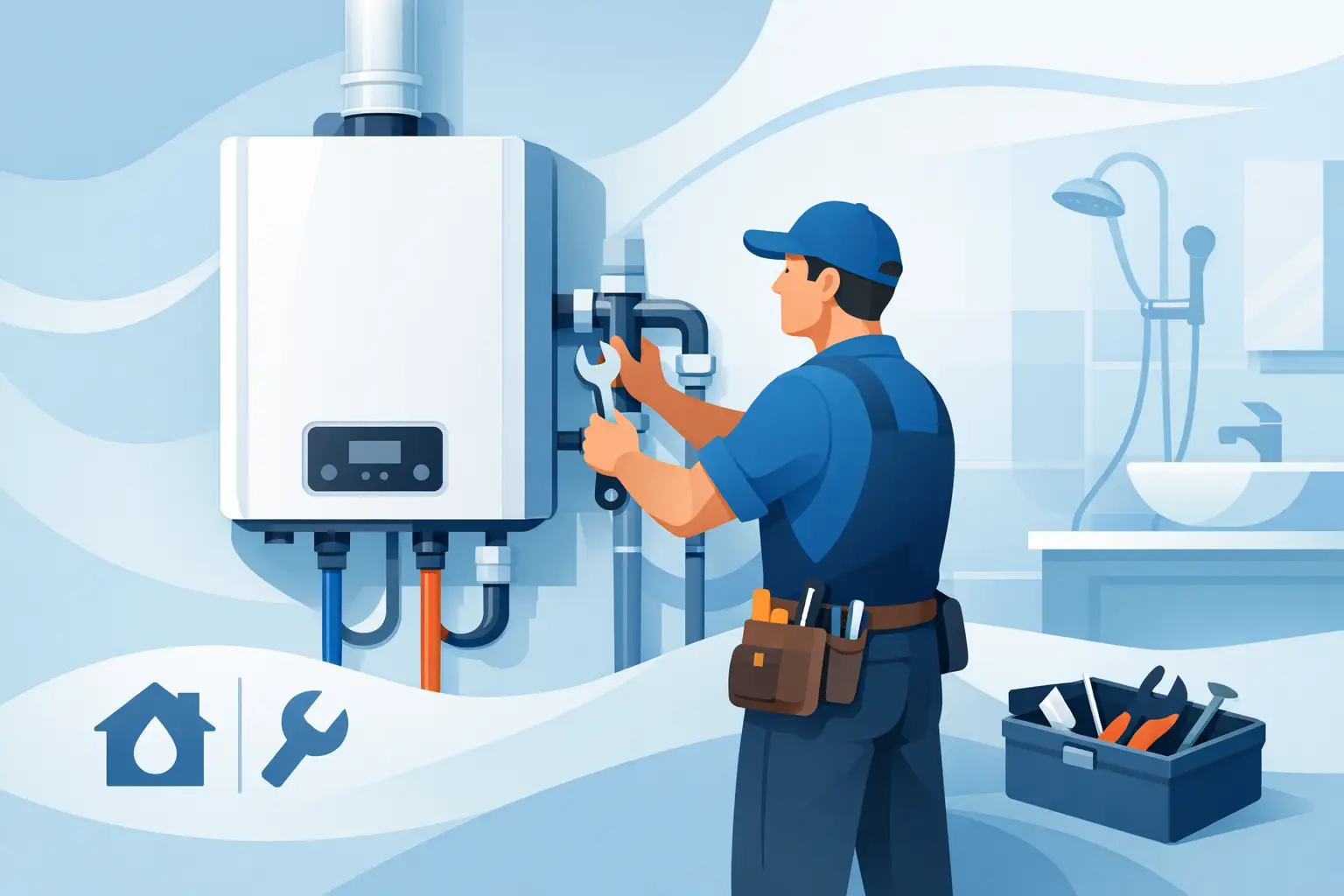
A tankless water heater can solve a familiar problem fast – running out of hot water when the house is busy. But if you are searching for how to tankless water heater installation, the real question is not just how the unit gets mounted. It is whether your home or building is actually ready for one, and whether the gas, venting, water, and electrical requirements line up safely.
That matters because tankless systems are not simple swap-outs in many homes. They can be an excellent upgrade, but only when the installation matches the demand of the property.
How to tankless water heater installation actually works
Tankless water heater installation starts with sizing, not tools. Before anything is removed, the installer needs to calculate how much hot water the property uses at peak times. A home with two bathrooms and a busy family has very different requirements than a small office break room or a one-bath house.
From there, the installation plan usually covers four systems at once: water supply lines, gas supply or electrical service, venting, and condensate drainage if the unit is high-efficiency. That is why tankless replacements often take more planning than standard tank replacements. The heater itself may be compact, but the supporting infrastructure has to be right.
A typical installation includes removing the old unit if there is one, selecting the mounting location, upgrading connections as needed, installing shutoff valves, pressure relief components, venting materials, and then testing the system under real operating conditions. If the unit is gas-fired, combustion setup and gas pressure are a major part of doing the job correctly.
The first decision is sizing the unit correctly
Many installation problems start before the unit even arrives. People assume a larger home automatically needs the biggest tankless model available, or they buy a smaller unit based on price. Neither approach is reliable.
Tankless systems are sized by flow rate and temperature rise. In Nevada, incoming groundwater temperature can affect how hard the unit has to work. If you want multiple showers, laundry, and a dishwasher running close together, the heater must be able to deliver enough gallons per minute at the required temperature rise.
If the unit is undersized, you may get lukewarm water, reduced flow, or performance that feels inconsistent. If it is oversized, you can spend more than necessary and still have installation complications that were not needed. Good sizing protects comfort and keeps the system operating the way it should.
Gas line capacity is often the biggest issue
For gas tankless units, this is where many installations become more involved. Tankless heaters can demand far more BTUs than the old storage tank they replace. That means an existing gas line may not be large enough, even if the old heater worked fine for years.
This is not a small detail. An undersized gas line can lead to ignition issues, poor performance, shutdowns, and safety concerns. The installer has to evaluate total gas demand in the building, line length, pipe size, and what other gas appliances are operating on the same system.
Sometimes the solution is straightforward. Other times the gas piping needs to be upgraded from the meter to the unit location. For homeowners and property managers, that is one of the biggest reasons a tankless estimate can vary so much from one property to another.
Venting rules are different from tank heaters
A common mistake is assuming the old vent can be reused. In many cases, it cannot. Tankless units have manufacturer-specific venting requirements based on the fuel type and efficiency level of the heater.
Some systems use sealed combustion and require special vent materials. High-efficiency condensing models may use different vent pipe than non-condensing models. The vent length, number of turns, termination point, and clearance from windows or air intakes all matter.
Poor venting is not just a performance problem. It can create serious safety risks. This part of the installation needs to follow code, manufacturer requirements, and the actual layout of the property.
Water line changes may also be needed
On paper, water connections look simple. In practice, a proper tankless installation often includes isolation valves, service ports for flushing, pressure regulation review, and checking whether the home has hard water conditions that could shorten the life of the heat exchanger.
Hard water is especially relevant because mineral buildup affects tankless performance over time. If scale forms inside the unit, efficiency drops and internal components can be stressed. In some homes, water treatment or a maintenance plan should be part of the installation conversation from the start.
Location matters too. The heater should be mounted where it can be serviced, where clearances are correct, and where freeze exposure is considered if the unit or piping is near an exterior wall or unconditioned space.
Electrical needs still matter on gas models
Even a gas tankless heater usually needs electrical power for controls, ignition, and fan operation. That means the installation may require a nearby grounded outlet or dedicated circuit depending on the model and local requirements.
For electric tankless units, the electrical demand is even more significant. Some homes are simply not set up for the amperage these units need. Panel capacity, breaker space, and wiring size all have to be checked before installation. In some cases, the cost of electrical upgrades changes the economics of the project entirely.
That is why the right answer to how to tankless water heater installation is often it depends on the fuel source and the existing infrastructure. The same product category can involve very different scopes of work.
Why permits and code compliance matter
Water heater installation is not a cosmetic project. It involves fuel, combustion, venting, pressure, and hot water delivery. Permits and inspections are there for a reason.
A code-compliant installation helps protect the people in the building and reduces the chance of problems later during a property sale, insurance claim, or service call. It also helps ensure the unit is installed in a way that supports manufacturer warranty requirements.
For commercial properties and managed buildings, this becomes even more important. Downtime, tenant complaints, and failed inspections can cost more than doing the job correctly the first time.
DIY vs professional installation
Some homeowners look up installation steps and assume a tankless swap is manageable if they are comfortable with basic plumbing. The problem is that tankless systems are rarely only a plumbing project. They usually involve gas sizing, venting design, electrical verification, combustion safety, startup procedures, and code compliance.
If the existing setup is already compatible and the unit type is staying the same, the job may be more straightforward. But many installations are conversions from tank to tankless, and that is where hidden requirements show up.
Professional installation helps reduce the biggest risks: gas leaks, venting errors, poor performance, and premature equipment failure. It also gives you a clearer picture of total project cost before work begins, instead of discovering upgrades halfway through the job.
What a good installation process should include
A reliable installer should inspect the property before giving a final recommendation. That includes checking hot water demand, gas or electrical capacity, vent path, water quality concerns, location options, and whether the old unit can be removed without additional corrections.
The best installations also include startup testing and owner guidance. You should know how the unit operates, what maintenance it needs, how often it should be flushed, and what warning signs should prompt service. Tankless systems can be dependable, but they are not maintenance-free.
In the Reno-Sparks area, winter conditions, older housing stock, and varied property layouts can all affect installation choices. That is one reason experienced local evaluation matters more than a generic online checklist.
Common mistakes that cause problems later
Most tankless issues after installation trace back to a few preventable errors. The unit may be sized for average use instead of peak use. The gas line may be left too small. Venting may not match the manufacturer specifications. Maintenance valves may be skipped. Water quality may be ignored.
None of those mistakes are dramatic on day one. They show up later as nuisance shutdowns, weak hot water performance, service headaches, or shortened equipment life. A proper install is about avoiding those slow-building problems as much as getting hot water today.
Is a tankless water heater worth it?
For many properties, yes. A properly installed tankless water heater can save space, provide long hot water runs, and offer strong long-term value. But the payoff depends on the layout of the property, the fuel source, the demand profile, and the quality of the installation.
That is why the better question is not just how to tankless water heater installation. It is how to install the right unit, the right way, for the specific building. If the planning is solid, the system can be a dependable upgrade. If the planning is rushed, even a good unit can become an expensive frustration.
When hot water is essential to your home or business, the smartest move is to treat installation as infrastructure work, not a quick equipment change. Getting it right upfront usually costs less than correcting it later.
Leave a Reply