
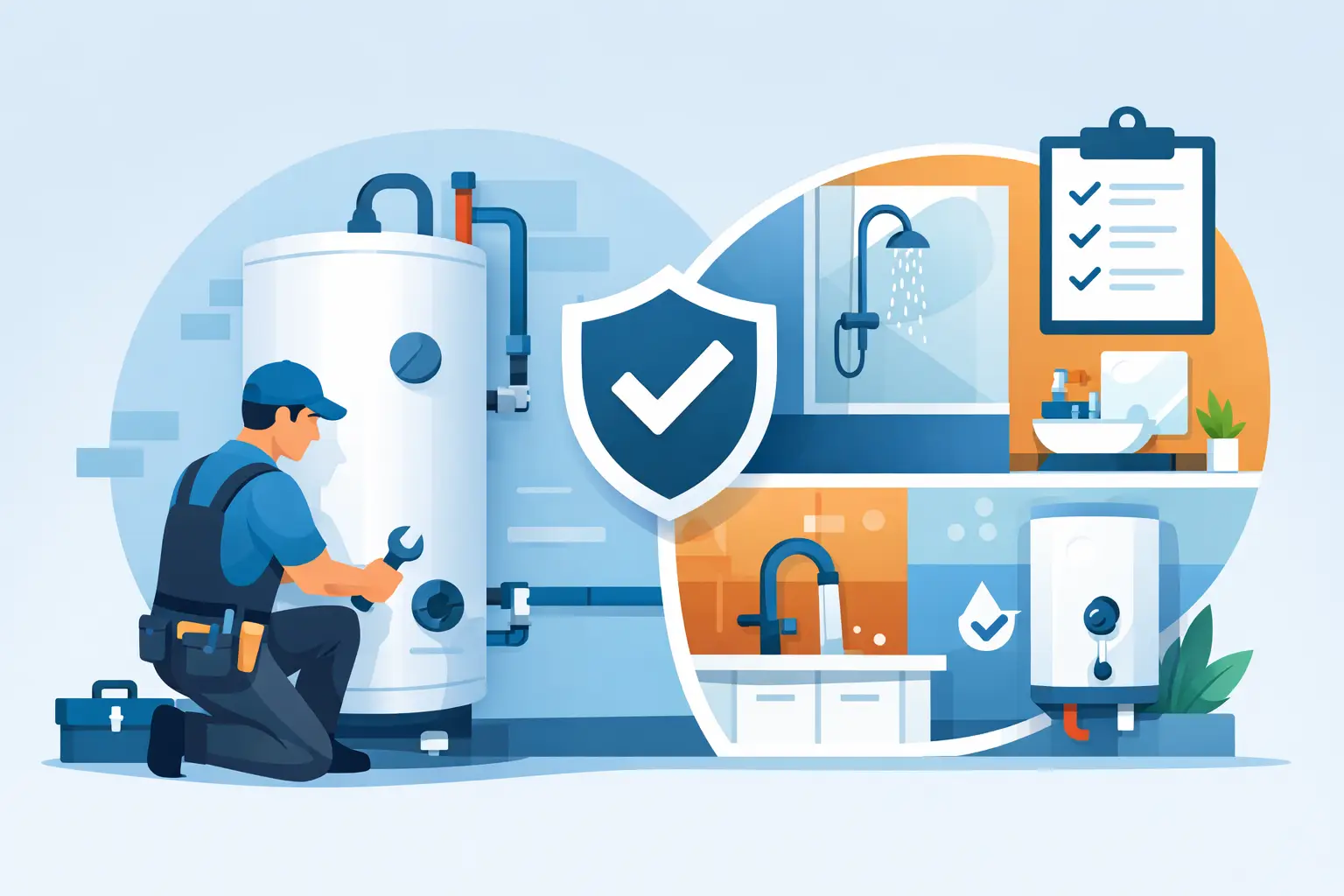
When your hot water goes out, you usually find out fast – during a shower, while opening the dishwasher, or right before a busy workday. If you are searching for how to get water heater installed, the real question is not just who can put a tank in place. It is how to get the right unit, installed safely, up to code, and ready to perform without causing bigger plumbing or gas problems later.
For most homeowners and property managers, this is not a project to gamble on. A water heater connects to plumbing, fuel or power, venting, and safety controls. One bad connection can lead to leaks, poor performance, code violations, or in gas systems, serious safety risks. The best installation is the one you do not have to think about again after the job is done.
How to get water heater installed without problems
The first step is figuring out whether you need replacement, upgrade, or first-time installation. If your current unit is leaking from the tank, producing rusty water, making loud popping sounds, or failing to keep up with demand, replacement is usually the practical move. Repairs can make sense for minor component issues, but once the tank itself is failing, time is not on your side.
If you are adding a water heater to a new space, converting fuel types, or upgrading to a larger unit, the installation becomes more involved. That is where planning matters. The installer needs to match the system to the building, not just swap in whatever is on the truck.
A dependable contractor will usually start with a few basic questions. What size is your current unit? Is it gas or electric? Has your household size changed? Are you dealing with slow recovery, inconsistent temperature, or rising utility bills? In a commercial setting, the questions go further because downtime and hot water demand affect operations immediately.
Choosing the right water heater before installation
A lot of installation problems start with buying the wrong equipment. Bigger is not always better, and cheaper is not always cheaper once energy use and early replacement are factored in.
Tank vs. tankless
A standard tank water heater is still the right fit for many properties. It has a lower upfront cost, a familiar setup, and works well when sized correctly. Tankless systems appeal to owners who want energy efficiency and continuous hot water, but they often require upgrades to gas lines, venting, or electrical service. That can make installation more complex and more expensive at the start.
Neither option is automatically best. It depends on your building, usage, fuel source, and budget. A small household with predictable demand may do well with a conventional tank. A larger family or business with high hot water use may benefit from tankless, but only if the rest of the system can support it.
Sizing matters more than most people think
An undersized unit runs out of hot water too fast. An oversized one can waste energy and money. Proper sizing takes more than a guess based on the old heater. If the old one never kept up, replacing it with the same size may just repeat the problem.
A professional installer should look at fixture count, occupancy, peak usage times, and whether there are high-demand appliances drawing hot water at the same time. For commercial properties, recovery rate and usage patterns become even more important.
What a professional installation should include
If you want to know how to get water heater installed the right way, focus on the full scope of the job, not just the equipment itself. A proper install includes more than disconnecting one unit and connecting another.
Site inspection and code review
Before installation begins, the contractor should confirm that the location is suitable and code compliant. That includes clearance, drain provisions, shutoff access, venting requirements, seismic strapping where required, and the condition of existing connections. If the old setup was not done correctly, a replacement job may need corrections before the new heater can be installed safely.
Plumbing, gas, or electrical connections
Every water heater depends on solid utility connections. Water lines need to be secure and free of existing damage. Gas heaters need proper fuel supply, shutoff valves, sediment traps where required, and safe venting. Electric units need the correct circuit, wiring, and disconnects. If those items are outdated or undersized, installation may involve more than a simple swap.
That is why the lowest quote is not always the best quote. Sometimes a low number assumes everything is already in perfect condition. Once work starts, the real issues appear.
Safety components and testing
A proper installation includes testing the system after setup, not just turning it on and leaving. The installer should check for leaks, verify ignition or heating operation, confirm venting performance on gas models, and test temperature and pressure relief components. Those details protect the system and the people using it.
How long installation usually takes
A straightforward replacement can often be completed in a few hours. If the new unit matches the old one closely and existing plumbing, venting, and utility connections are in good shape, the process is relatively direct.
But there are plenty of cases where it takes longer. Switching from tank to tankless, changing fuel type, relocating the heater, correcting old code issues, or replacing damaged valves and piping can add time. Commercial jobs can also take longer because of system size, occupancy concerns, and scheduling around business operations.
If you need hot water restored quickly, speed matters. So does accuracy. A rushed install that skips safety checks is not a good result.
What to ask before hiring an installer
Most customers are not looking for a plumbing education. They want a clear answer, a fair scope of work, and confidence that the installation will be done correctly. The right questions help you get there.
Ask whether the contractor handles permits when needed, whether haul-away of the old unit is included, and whether any code upgrades are expected based on the current setup. You should also ask what brand or model is being proposed, why it fits your property, and what warranty applies to both the unit and the labor.
If the installation involves gas, venting, or commercial demand, experience matters even more. Water heaters are not a sideline service. They should be handled by a contractor who works with them regularly and understands how the full system performs under real use.
Cost factors that affect installation
There is no single price for every installation because the scope can vary a lot. The unit itself is only part of the total cost.
The final price may be affected by heater type, size, fuel source, location in the building, permit requirements, venting changes, gas line work, electrical upgrades, drain pan needs, expansion tank requirements, and correction of older plumbing issues. Emergency replacement can also carry a different cost than a scheduled installation.
That does not mean pricing should be vague. A reliable contractor should be able to explain what is included and why. Clear expectations matter, especially when you are making a decision under pressure.
When installation becomes urgent
Sometimes you have time to compare options. Sometimes you do not. If the tank is actively leaking, the pilot will not stay lit, the system is not producing hot water, or you suspect a gas issue, waiting can make the problem worse.
In those cases, response time matters almost as much as technical skill. Homeowners want the house functioning again. Property managers want to avoid damage claims and tenant complaints. Business owners want to restore operations before customers or staff are affected.
That is why many customers look for an installer with emergency availability and a long track record. In a market like Reno and Sparks, where weather and daily routines can make hot water service more than a convenience, dependable response has real value.
DIY vs. professional installation
Some property owners wonder if replacing a water heater is a manageable do-it-yourself project. On paper, it can look straightforward. In reality, the risks are high enough that professional installation is usually the smart choice.
A mistake with water lines can lead to hidden leaks and water damage. A mistake with electrical connections can create fire risk. A mistake with gas or venting can create serious safety hazards. Even if the unit seems to work after installation, hidden issues can show up later.
Professional installation also helps protect warranty coverage and code compliance. That matters if you ever sell the property, file an insurance claim, or need service down the road.
If you are figuring out how to get water heater installed, the best path is simple: get the system sized correctly, have the full setup evaluated, and hire a contractor who treats the job as essential infrastructure, not a quick appliance swap. Hot water should be one less thing to worry about, and the right installation gets you there.
Leave a Reply