
A leaking connector or the wrong gas fitting can turn a routine replacement into a long, expensive day. That is why the water heater installation kit matters more than many people expect. It is not just a box of parts. It is a group of components that helps connect the unit correctly, meet code requirements, and reduce the chances of leaks, poor performance, or safety problems after installation.
For homeowners, property managers, and business owners, the real question is not whether a kit exists. It is whether the kit matches the heater, the fuel source, the building, and local code expectations. A basic kit may be enough for one replacement, while another job needs additional parts, venting changes, gas line work, earthquake strapping, expansion control, or drain pan protection. That is where many installations stop being simple.
What a water heater installation kit usually includes
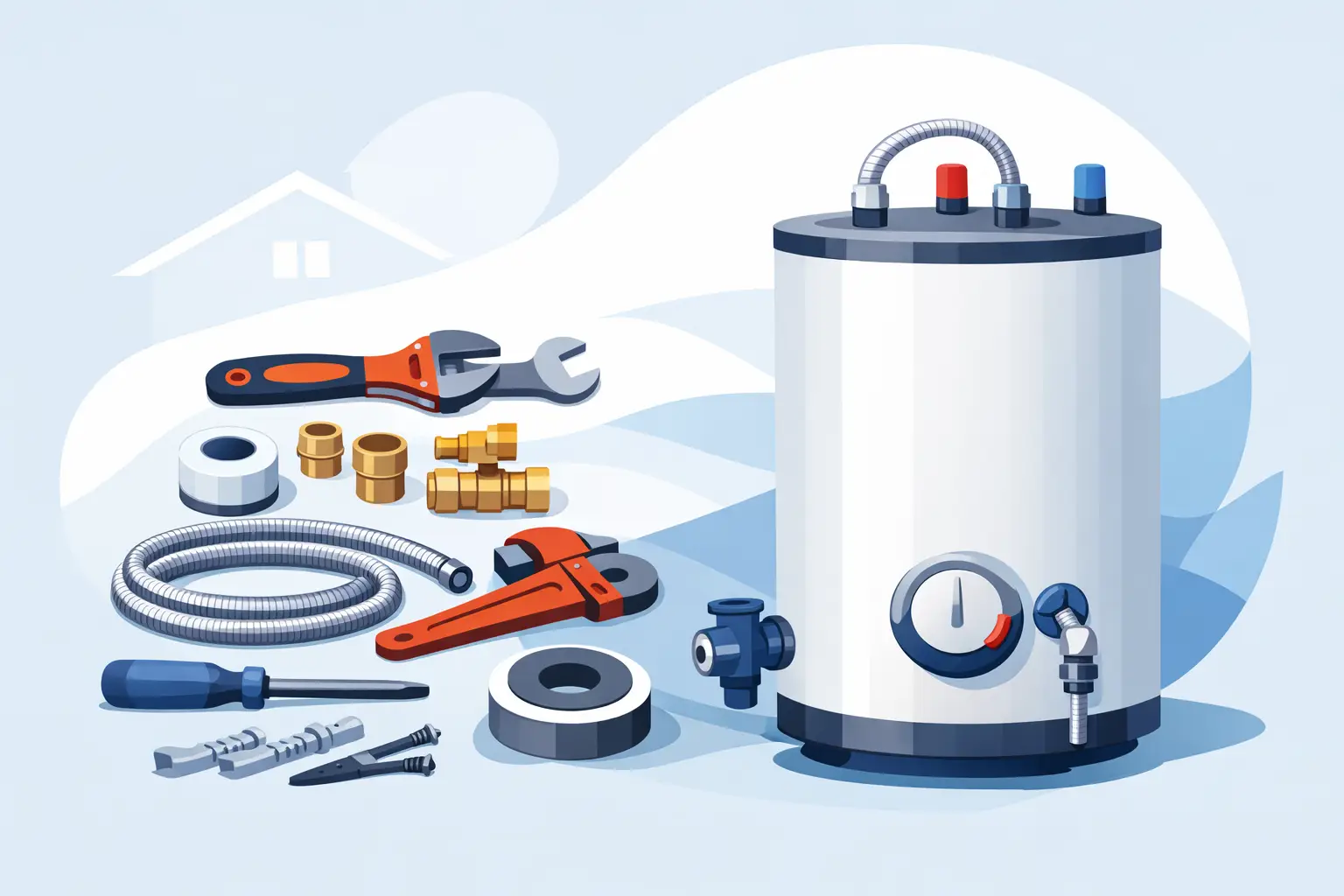
Most water heater installation kit packages are built around the common connection points. For a standard tank water heater, that often means hot and cold water supply connectors, fittings, and sometimes a temperature and pressure relief valve discharge tube. Some kits also include pipe thread compound, flexible lines, shutoff components, or mounting hardware.
For gas water heaters, the situation gets more specific. Some kits include a gas connector, but not all gas connectors are interchangeable across every setup. Connector length, fitting size, sediment trap requirements, shutoff placement, and local code rules all matter. If the venting is older, damaged, or sized incorrectly, the kit alone will not solve that problem.
Electric water heater kits tend to focus more on water connections and less on fuel supply components, but electrical work still has to match the circuit, breaker, wire size, and unit rating. A kit can help with the plumbing side without addressing whether the electrical side is actually ready for the new heater.
When a water heater installation kit is enough
A kit is most useful when the replacement is straightforward. That usually means the new heater is the same type as the old one, the existing water and fuel connections are in good condition, and the installation already meets current standards or needs only minor adjustments.
In that kind of job, the kit saves time and reduces the chance of missing a common connection part. It can also make pricing more predictable because many of the standard fittings are packaged together. For a planned replacement, that convenience is helpful.
But even in simple jobs, there is a difference between having the right parts and having the right installation. Tight spaces, old shutoff valves, corroded nipples, improper vent slope, and aging gas lines can all turn a clean swap into a more involved repair. The kit helps, but it does not replace inspection, judgment, or experience.
When the kit is not the whole job
This is where many people get caught off guard. A water heater installation kit is not a guarantee that the installation is complete. It covers common items, not every condition in the field.
If the old heater failed because of excess pressure, sediment buildup, improper venting, or an undersized expansion setup, simply replacing parts from a kit will not address the underlying problem. The new heater may be connected, but the same issue can continue. That leads to repeat service calls, early wear, or safety concerns.
Older properties often need more attention. Water shutoffs may not fully close. Gas cocks may be outdated. Venting may not meet current standards. Drain pans may be missing where they should be installed. In commercial settings, the gap gets even wider because code, demand, recovery requirements, and operational downtime all carry more weight.
Choosing the right water heater installation kit
The right kit starts with the heater type. Gas, electric, and tankless systems each have different connection needs. After that, the details matter – tank size, connector dimensions, fuel type, pressure conditions, and whether the installation is a direct replacement or part of a larger upgrade.
Material quality matters too. Flexible connectors vary in durability and rating. Cheaper components may fit, but that does not always mean they are the best choice for long-term reliability. In water heater work, the lowest-cost part is often the least important savings.
It also helps to think beyond the box. If a heater is installed in a garage, utility room, closet, or commercial space, access, drainage, ventilation, and serviceability should all be considered. A kit that technically connects the unit may still leave a poor overall installation if those factors are ignored.
Common mistakes with installation kits
One common mistake is assuming every packaged kit is universal. It is not. Connector size, thread type, and fuel compatibility can differ. Using a part that is close enough is how leaks and unsafe connections happen.
Another problem is reusing old parts that should be replaced. Homeowners sometimes buy a kit but keep an old shutoff valve, aging vent piece, or questionable gas fitting to save time or money. That can undermine the whole installation.
There is also the code issue. Water heater requirements can change over time, and replacement work is not always a like-for-like swap anymore. Expansion tanks, strapping, drain routing, combustion air, and vent materials can all come into play depending on the property and the type of heater being installed. What worked years ago may not pass today.
The last mistake is treating a water heater like an appliance that only needs to be hooked up. It is part of your plumbing system, and in many cases your gas system too. If one connection is wrong, the consequences can range from water damage to combustion hazards.
Why professional installation often saves money
People usually compare the cost of a kit to the cost of installation, but that is not the full comparison. The better comparison is between a complete, code-conscious installation and the cost of fixing a bad one later.
A professional looks at more than the connectors. They check the condition of the existing lines, verify shutoffs, confirm venting, inspect pressure control, and make sure the new heater is set up for safe operation. If something is missing or deteriorated, it can be handled before it causes a problem.
That matters even more when the water heater serves a business or multi-unit property. Downtime is expensive. Repeat failures frustrate tenants, interrupt operations, and create preventable damage. A rushed installation using only what came in the box may look cheaper on day one, but it can cost more over the life of the system.
For property owners in older parts of Reno and Sparks, this is especially relevant. Replacement jobs in established buildings often uncover worn valves, outdated venting, or connection points that need correction before a new heater can be installed safely.
What to ask before any installation starts
Before the old heater comes out, ask what is actually included in the installation. That question clears up a lot. Does the job include new connectors, shutoff updates, gas fittings, vent adjustments, drain pan setup, and disposal of the old unit? Or is the plan based only on a standard kit with extra charges if problems show up?
You should also ask whether the current setup needs any code-related upgrades. A dependable contractor should be able to explain that clearly without making it sound more complicated than it is. Some jobs are straightforward. Others need added work for good reason.
If the heater is gas-fired, ask specifically about venting and gas connection requirements. If it is electric, ask whether the electrical service matches the heater being installed. These are basic questions, but they protect you from surprises.
The kit matters, but the installation matters more
A water heater installation kit is useful because it covers many of the parts needed to connect a new system. That is its job, and in the right situation it does that well. But the real value comes from making sure those parts are the right ones, installed the right way, with the rest of the system checked at the same time.
That is why experienced water heater contractors do not stop at the box. They look at the full installation, the age of the surrounding components, and the risks that could affect safety or reliability after the job is done. Since 1994, Reno Sparks Water Heaters has worked in that reality every day.
If you are replacing a water heater, think past the kit itself. The best outcome is not just getting the unit connected. It is getting hot water back with confidence that the system was installed to last.
Leave a Reply