
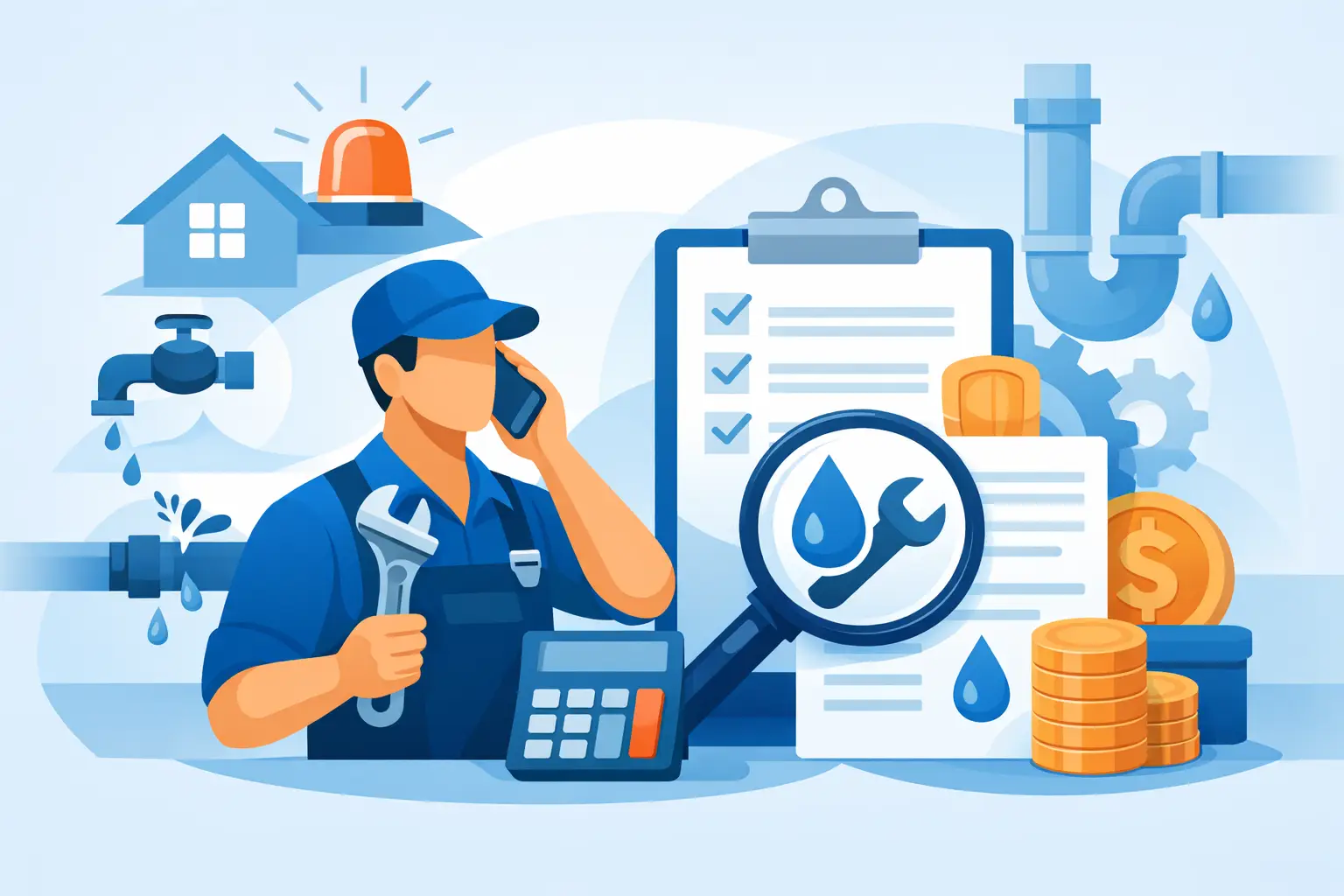
A burst pipe at 2 a.m. does not give you time to compare estimates at your leisure. When water is spreading across a floor, a drain line is backing up, or a water heater fails without warning, the first question after “Who can get here fast?” is usually about emergency plumbing service cost.
The honest answer is that emergency pricing varies, sometimes by a little and sometimes by a lot. The final number depends on when the problem happens, how serious it is, what materials are needed, and whether the plumber is performing a temporary fix or a full repair. What matters most is understanding what you are paying for so you can make a smart decision under pressure.
What affects emergency plumbing service cost
Emergency plumbing is priced differently from standard scheduled work because the service itself is different. A plumber is being called out immediately, often after business hours, and is expected to diagnose and stabilize a problem that may be damaging property or disrupting a home or business.
Time of day is one of the biggest factors. A daytime emergency on a weekday usually costs less than a late-night call, a holiday visit, or a weekend dispatch. The reason is straightforward. Emergency staffing outside normal hours costs more, and that affects the service rate.
The type of problem also changes pricing. A simple shutoff valve issue or a minor leak is one level of repair. A failed water heater, a gas-related plumbing concern, a broken line behind a wall, or a sewer backup is another. More complex jobs require more diagnostic work, more labor, and sometimes specialized parts or safety procedures.
Accessibility matters too. If the plumber can reach the problem quickly, the job often moves faster and costs less. If the issue is behind finished walls, in a crawl space, in a commercial mechanical area, or tied into older plumbing, labor can increase even when the repair itself sounds simple.
Typical pricing structure for emergency calls
Many customers expect one flat price for everything, but emergency service is usually built in layers. First, there is often a service call or emergency dispatch fee. That covers the immediate response, travel, and on-site diagnosis. After that, the actual repair is priced based on labor, parts, and the nature of the job.
In practical terms, that means a plumber may charge one amount to come out urgently and evaluate the problem, then provide the repair cost once the issue is identified. This is common and reasonable, especially when the visible symptom is not the root cause.
For example, water around a water heater could point to a leaking tank, a failed connection, a pressure issue, or a relief valve problem. Those are not the same repair, and they should not be priced the same.
Some companies also apply after-hours rates instead of, or in addition to, a separate emergency dispatch fee. Neither approach is automatically better. What matters is clarity. You should know whether you are paying for the visit only, the visit plus labor, or a full repair quote.
Emergency plumbing service cost by type of problem
The phrase emergency plumbing service cost covers a wide range of situations, so broad estimates are more useful than a single number. Minor emergency repairs may fall on the lower end when the problem is easy to identify and fix quickly. Major repairs rise fast when they involve water damage risk, replacement parts, code-related work, or system shutdowns.
A leaking pipe repair may be relatively modest if the line is exposed and the damaged section is short. The same leak can become much more expensive if it is inside a wall, has already affected flooring or drywall, or requires isolating part of the system.
Water heater emergencies vary even more. If the issue is a valve, connection, pilot, igniter, or circulating component, the repair may be manageable. If the tank itself has failed, replacement may be the only safe option. For homeowners and property managers, this is one reason water heater problems should be addressed immediately. Waiting often turns a repairable issue into a replacement and can add cleanup costs on top of plumbing work.
Drain and sewer emergencies depend on severity. A localized drain clog is different from a main line backup affecting toilets, sinks, or floor drains. The second situation usually requires more time, more equipment, and more urgency because the sanitation risk is higher.
Gas-related plumbing emergencies should never be treated as routine. If a problem involves gas lines, shutoff concerns, or suspected leaks, the cost may reflect additional safety steps, testing, and code-sensitive repair work. That is not an area where bargain pricing should be the priority.
Why emergency service costs more than scheduled plumbing
Some customers worry that emergency rates are arbitrary. In reality, they reflect the demands of urgent response work. Emergency plumbers keep capacity open for problems that cannot wait. They travel on short notice, carry a range of parts and equipment, and often work during nights, weekends, and holidays when most trades are off the clock.
There is also the value of preventing escalation. A fast response may stop structural damage, protect equipment, reduce business interruption, and keep a small leak from turning into a larger insurance claim. In that sense, the emergency price is not only about the repair itself. It is also about limiting what happens next.
For commercial properties, that difference can be substantial. A restaurant, retail space, office, or multifamily property may lose revenue or create safety concerns if plumbing systems are down for long. Paying more for immediate service is often less costly than delaying action.
How to tell if the price is reasonable
In an emergency, you do not always have time to shop around. Still, you can ask a few direct questions before approving work. Ask whether there is an emergency fee, whether labor is billed hourly or by repair, and whether the quoted price includes parts. Ask if the technician expects a temporary repair or a full correction.
A reasonable plumber should be able to explain the charge in plain terms. You may not get an exact total over the phone for every emergency, but you should get a clear sense of how pricing works.
Be cautious with unusually low quotes. Very cheap emergency pricing can mean limited scope, minimal diagnosis, poor-quality materials, or pressure to upsell once the technician arrives. On urgent plumbing work, reliability and experience matter. The lowest number is not always the lowest cost if the repair fails or misses the real issue.
Ways to keep costs from climbing
The best way to control emergency cost is to act early. Small warning signs often show up before a true plumbing emergency. Slow drains, fluctuating water temperature, rust-colored hot water, dripping valves, unusual sounds from a water heater, and damp spots around lines should not be ignored.
When a problem does become urgent, shutting off the water or fuel source quickly can limit damage and shorten repair time. Every homeowner, property manager, and business operator should know where the main shutoff is and when to use it. That one step can make a meaningful difference in the final bill.
Routine maintenance also helps. Systems that are inspected and serviced regularly are less likely to fail at the worst possible time. This is especially true for water heaters and commercial plumbing equipment that see heavy daily use.
In the Reno-Sparks area, winter cold snaps and aging infrastructure can add stress to plumbing systems, so preventive attention is often cheaper than waiting for a late-night failure.
When emergency service is worth it
Not every plumbing problem needs immediate after-hours dispatch. A dripping faucet can usually wait. A toilet that still leaves another working bathroom may be inconvenient rather than urgent. But active leaks, no hot water in a facility that depends on it, sewer backups, burst pipes, and gas-related concerns usually justify emergency service.
The right question is not only “What does this cost tonight?” It is also “What will it cost if I wait until tomorrow?” If delaying service risks property damage, health concerns, safety hazards, or business interruption, emergency response is often the better financial decision.
For customers who need dependable help fast, an established contractor with true 24/7 availability brings value beyond the invoice. Experience matters when the diagnosis has to be right the first time and the repair needs to hold.
A fair emergency plumbing price is not the cheapest number you hear. It is the cost of getting the right problem handled quickly, safely, and with enough skill to protect your property from something worse. When plumbing fails without warning, that kind of response is worth more than guesswork.
Leave a Reply