Category: Uncategorized

  • Can Anyone Install a Water Heater?

    Can Anyone Install a Water Heater?

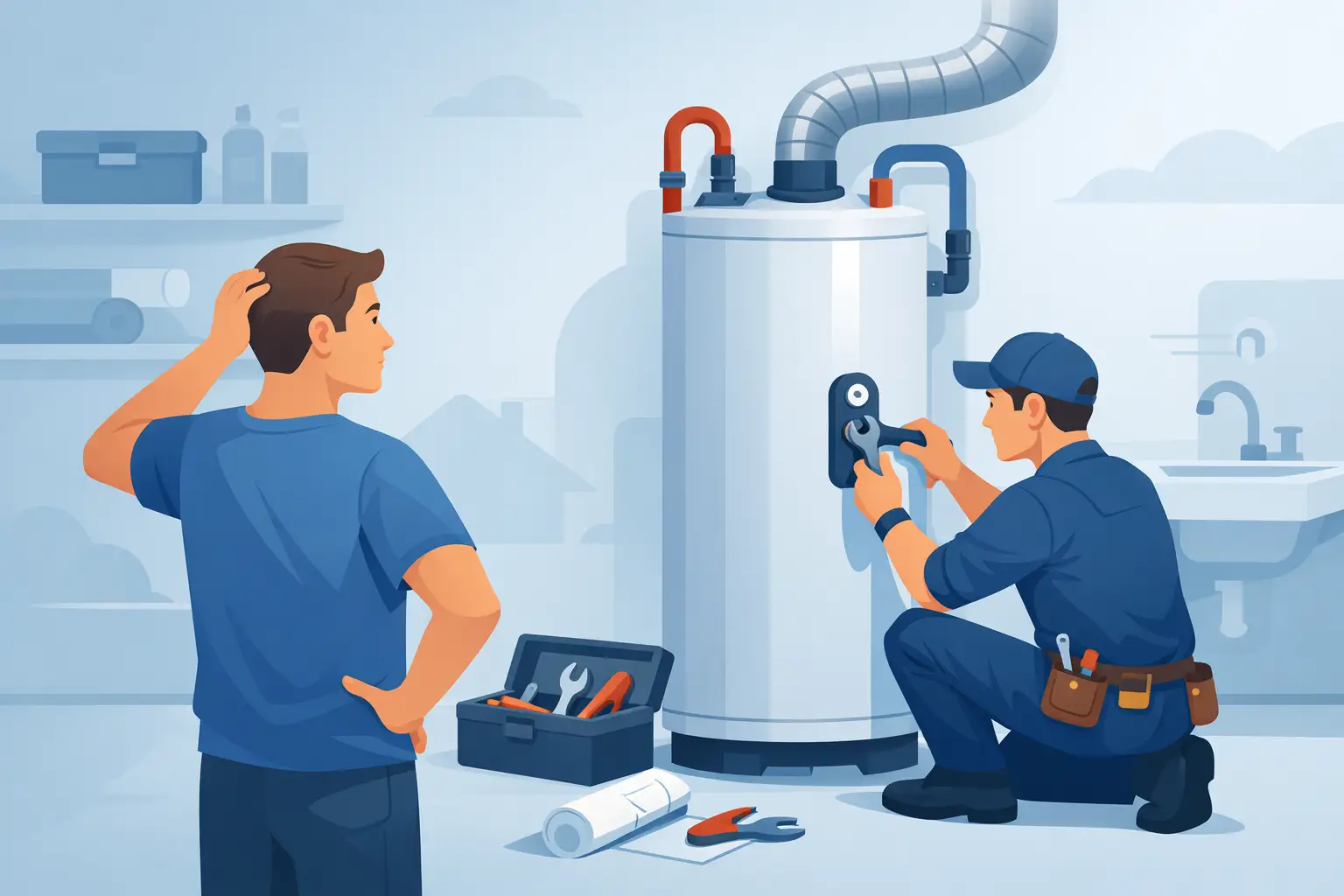
    A water heater replacement looks simple right up until you start tracing the gas line, the venting, the pressure relief valve, and the electrical connections. That is why homeowners often ask, can anyone install a water heater? The short answer is no – not if you want it done safely, up to code, and without creating expensive problems later.

    Some home projects are forgiving. Water heater installation is not one of them. A bad flooring install might look crooked. A bad water heater install can lead to gas leaks, water damage, scalding risk, failed inspections, or a unit that never performs the way it should.

    Can anyone install a water heater legally and safely?

    Legally, it depends on local code, permit rules, and the type of water heater being installed. Safely, the answer is much narrower. Even when a homeowner is allowed to do the work on their own property, that does not mean it is a good idea.

    A standard tank water heater has more going on than many people expect. There is the fuel source, whether gas or electric. There is the water supply, shutoff valves, drainage, expansion control, earthquake strapping in some areas, venting requirements for gas models, and temperature and pressure relief protection. If any of those pieces are installed incorrectly, the unit can become a hazard or fail early.

    For businesses and property managers, the answer is even clearer. Commercial properties, multifamily systems, and tenant-occupied buildings usually carry stricter compliance expectations and liability concerns. In those cases, professional installation is not just practical – it is the responsible move.

    Why water heater installation is more technical than it looks

    From a distance, replacing a water heater can seem like disconnecting the old one and hooking up the new one. In practice, the details are what matter.

    Sizing is one of the first issues. A water heater that is too small will leave people without enough hot water. One that is too large can waste energy and money. Moving from one fuel type or unit style to another can also require changes to venting, gas supply, electrical capacity, or plumbing layout.

    Gas water heaters raise the stakes further. Improper gas connections can create leak risks. Incorrect venting can cause combustion problems or backdrafting. Those are not cosmetic mistakes. They are safety issues.

    Electric models avoid combustion concerns, but they still require correct wiring, breaker sizing, grounding, and code-compliant connections. A poor electrical installation can trip breakers, damage the unit, or create shock hazards.

    Then there is the matter of water pressure and thermal expansion. In many systems, expansion control is necessary to protect fixtures and the heater itself. The temperature and pressure relief valve discharge also has to be routed properly. That valve is not optional. It is a critical safety device.

    When DIY installation goes wrong

    Most failed installations do not start with reckless intent. They start with someone trying to save money and assuming the new unit matches the old one closely enough. That is where trouble begins.

    Sometimes the replacement heater is not the same height, diameter, or vent connection type. Sometimes old shutoff valves no longer seal. Sometimes the existing venting was never correct to begin with, and the new install exposes that problem. In older buildings, existing piping or electrical service may not meet current code.

    Another common issue is warranty protection. Many manufacturers place limits on warranty coverage if installation was not completed according to their requirements or by a qualified professional. So the money saved upfront can disappear quickly if the new water heater fails and the claim is denied.

    There is also the question of insurance and property damage. If a water heater bursts, leaks, or causes a fire due to improper installation, the downstream cost can far exceed the original installation price.

    Who should install a water heater?

    A qualified plumber or licensed contractor with direct water heater experience should install it. That matters even more if the unit is gas-fired, tankless, part of a recirculation system, or tied into a commercial property.

    Experience with water heaters specifically is valuable because these systems sit at the intersection of plumbing, gas, venting, electrical work, and code compliance. A contractor who handles water heaters regularly is more likely to spot issues before they become problems, such as undersized venting, poor drainage conditions, or improper gas shutoff placement.

    For homeowners, the practical question is less about whether you are physically capable of lifting tools and more about whether you can identify hidden risks. For property managers and business owners, it is about reducing liability and keeping the building operating without interruption.

    Can anyone install a water heater if it is the same model?

    Even replacing a unit with the same size and style does not make the job automatic. The old installation may have code issues. The new model may have different clearance requirements. Supply lines, vent connectors, seismic restraints, drain pans, and expansion tanks may all need updates.

    That is especially true when replacing an aging unit. Building standards, product requirements, and local inspection practices change over time. A direct swap on paper can still require real corrections in the field.

    This is one reason experienced installers do more than connect pipes. They evaluate the full setup. They look at safety, access, drainage, fuel supply, and long-term performance.

    The permit question matters more than people think

    Permits are not just paperwork. They exist because water heaters involve life-safety systems. In many jurisdictions, a permit is required for replacement, especially for gas units and installations involving changes to plumbing, venting, or electrical components.

    Skipping the permit can cause issues when selling a property, filing an insurance claim, or dealing with an inspection after a problem occurs. It can also mean the installation was never independently checked for compliance.

    For owners trying to protect a home or commercial building, that is a risk not worth taking. Proper installation includes handling the permit and meeting local code requirements, not just getting hot water running again.

    What professional installation actually buys you

    The value of professional installation is not just labor. It is risk control.

    A trained installer helps make sure the water heater is correctly sized, properly connected, safely vented, and compliant with current requirements. They also test the system under operating conditions, verify that safety devices are functioning, and check for leaks or performance issues before the job is considered complete.

    That matters on day one, but it matters even more six months later. Proper installation can help extend equipment life, reduce nuisance issues, and avoid the quiet problems that lead to major damage, like slow leaks or unstable pressure conditions.

    For urgent replacements, it also saves time. When a water heater fails, most people are not looking for a weekend project. They want hot water restored quickly, safely, and with confidence that the system will hold up.

    The local factor in Reno and Sparks

    In the Reno-Sparks area, seasonal temperature swings and varying property types can affect installation needs. Older homes may have outdated plumbing or venting conditions. Commercial spaces and multifamily properties often require a more careful approach to capacity and continuity of service.

    That is why local experience helps. A contractor familiar with regional code expectations and common building conditions can usually identify problems faster and recommend the right solution without trial and error.

    Reno Sparks Water Heaters has worked in this space since 1994, and that kind of focused experience matters when the job involves gas, hot water, and building safety.

    So, can anyone install a water heater?

    Anyone can buy a water heater. Not everyone should install one.

    If you are talking about safe, code-compliant, warranty-conscious installation, the job belongs with a qualified professional. That is true for homeowners who want to avoid costly mistakes, and even more true for property managers and business owners who cannot afford downtime or liability.

    A water heater is one of those systems that only feels simple when nothing goes wrong. The better approach is to treat it like what it is – essential equipment that deserves to be installed correctly the first time.

    If your current unit is failing, leaking, underperforming, or due for replacement, the smartest next step is not guessing your way through it. It is getting clear answers before a preventable problem turns into a bigger one.
  • Why Do You Need a Permit to Install a Water Heater?

    Why Do You Need a Permit to Install a Water Heater?

    A water heater replacement can look straightforward right up until something goes wrong. The old unit comes out, the new one goes in, and hot water is back. That is exactly why homeowners often ask, why do you need a permit to install a water heater if the job seems so routine? The short answer is that a water heater is tied to systems that can create serious safety and property risks if the installation is not done to code.

    A permit is not just paperwork. It is a way to make sure the installation meets current safety standards for plumbing, gas, venting, electrical connections, earthquake strapping where required, drainage, and pressure relief. For property owners, that matters more than most people realize.

    Why do you need a permit to install a water heater?

    Because a water heater affects more than hot water. It connects to your water supply, fuel source or electrical service, venting system, and drain system. If any one of those parts is installed incorrectly, the result can be water damage, fire risk, carbon monoxide exposure, scalding hazards, or early equipment failure.

    The permit process exists so the work can be reviewed against local code. In most areas, that means the installation is subject to inspection. The inspector is not there to make the job harder. The inspector is there to confirm the heater was installed safely and that required protections are in place.

    That matters whether you are replacing a standard tank model with another tank unit or upgrading to a different type of system. A simple swap is not always simple under current code. Rules may have changed since your old heater was installed.

    A permit helps catch safety issues before they become expensive

    Water heaters operate under heat and pressure. That alone makes them different from many other household appliances. When problems happen, they can happen fast.

    For gas units, proper combustion air and venting are critical. A poorly vented water heater can allow carbon monoxide to enter the building. Gas connections must also be sized and installed correctly to reduce leak risk.

    For electric units, wiring and breaker sizing have to match the equipment. An improper electrical connection can create overheating and fire hazards.

    For all water heaters, the temperature and pressure relief valve has to be installed correctly, and the discharge line has to terminate in an approved location. If pressure builds and that safety device cannot do its job, the consequences can be severe.

    Permits help ensure these details are not skipped. That protects the people in the home or building, and it protects the property itself.

    Code compliance is a bigger issue than most owners expect

    A lot of older water heaters are still running with installations that would not pass current code today. That does not always mean they were done wrong at the time. It often means the code has changed.

    When you replace a unit, local requirements may call for updates such as seismic straps, expansion tanks, drain pans, proper vent materials, sediment traps on gas lines, or specific clearance requirements. In Nevada, those local enforcement details can vary by jurisdiction, so assuming the old setup is still acceptable can be a costly mistake.

    This is one of the main reasons permits matter. They trigger a review based on today’s rules, not yesterday’s installation.

    Why do permits matter for insurance and liability?

    Insurance problems usually do not show up on installation day. They show up after a leak, fire, or claim.

    If a water heater was installed without a required permit and something goes wrong, the insurance company may ask whether the work was done legally and inspected. Coverage questions can get complicated quickly, especially if the damage traces back to code violations or unpermitted work.

    Permits also matter for liability in rental and commercial properties. Property managers and business owners are expected to maintain safe building systems. If an injury or major failure happens, records showing the work was permitted and inspected can help demonstrate that the installation was handled responsibly.

    That does not mean every claim will be denied over a missing permit. It does mean unpermitted work can create avoidable exposure.

    Selling a home gets harder with unpermitted work

    A water heater is not usually the star of a real estate transaction, but it can still become a problem during a sale. Buyers, home inspectors, and lenders may raise questions if there is evidence of recent work without permit records.

    Sometimes the issue is minor and gets resolved quickly. Other times it delays closing, triggers requests for corrective work, or forces the seller to provide documentation after the fact. If the installation does not meet code, the cost to fix it may be higher than doing it properly in the first place.

    For homeowners who plan to sell later, a permitted installation is one less issue waiting down the road.

    A permit is often required even for a direct replacement

    This is where many people get surprised. They assume a permit is only for major remodeling, a tankless conversion, or moving plumbing lines. In many jurisdictions, simply replacing one water heater with another still requires a permit.

    That is because the job still involves regulated systems. The replacement may also trigger code upgrades that would not come up during ordinary maintenance.

    There are some exceptions in certain areas, but relying on assumptions is risky. The safer move is to verify the local requirement before the job starts.

    What the permit process usually covers

    In practice, the permit process is usually more manageable than people expect. For a standard replacement, it often involves submitting basic job information, paying a fee, and scheduling an inspection after installation.

    The inspection may cover the unit’s location, venting, gas or electrical connection, relief valve piping, drain pan, shutoff valves, expansion control, strapping, and general code compliance. If something needs correction, it is far better to find out then than after a failure.

    A qualified installer typically handles this process as part of the job. That is one reason working with an experienced water heater specialist saves time and reduces surprises.

    The trade-off people worry about: cost and delay

    Most objections to permits come down to two concerns. People do not want extra cost, and they do not want the replacement delayed.

    Those concerns are understandable, especially when a water heater fails suddenly. Nobody wants to be without hot water longer than necessary.

    But the permit cost is usually small compared to the cost of the installation, and far smaller than the cost of correcting unsafe work, repairing water damage, or dealing with a claim dispute. As for timing, an experienced contractor can often move the process along efficiently, especially on routine replacements.

    If the choice is between a slightly more formal job and a shortcut that creates long-term risk, the permit is usually the better bargain.

    DIY replacement is where permit issues get more serious

    Some homeowners are comfortable handling plumbing work on their own. Even then, water heater replacement is one of those jobs where confidence and code compliance are not the same thing.

    A do-it-yourself installer may not know current local requirements for vent sizing, gas shutoff placement, thermal expansion control, combustion air, seismic restraint, or discharge piping. The work might look fine and still fail inspection or create a hazard.

    In some jurisdictions, homeowners may be allowed to pull permits for their own residence. In others, licensing rules and project conditions matter. For rentals, commercial properties, or jobs involving gas work, the stakes are higher. That is where professional installation becomes less about convenience and more about risk control.

    Local codes matter more than internet advice

    One of the biggest problems with online plumbing advice is that it often ignores jurisdiction. What is acceptable in one city may not be acceptable in another. Water heater code enforcement can vary on details that affect the installation.

    That is why local experience matters. A contractor who regularly installs water heaters in the Reno-Sparks area is more likely to know what inspectors expect and what local code updates are actually being enforced. That can save time, rework, and frustration.

    What property owners should do before replacing a water heater

    If your current unit is leaking, unreliable, or at the end of its service life, the best first step is not guessing about permits. It is asking whether one is required for your specific replacement and whether the installer will handle it.

    That conversation should also cover whether your existing setup needs any code upgrades. A straightforward answer now is better than a correction notice later.

    For homeowners, that means fewer surprises. For property managers and business owners, it means documenting that a critical building system was installed correctly and safely.

    Hot water should be simple. Getting there is not always simple, because a water heater touches gas, power, pressure, drainage, and code. A permit helps make sure those details are handled the right way, so the system works safely after the truck leaves and long after the installation date.

  • How Long Does a Water Heater Installation Take?

    How Long Does a Water Heater Installation Take?

    When your hot water is out, the question is usually not just cost. It is how long does a water heater installation take, and how soon can life get back to normal.

    For most homes, a standard water heater replacement takes about 2 to 4 hours. That is the short answer. The longer answer is that installation time depends on what is being replaced, whether the new unit matches the old setup, and whether the installer runs into code, venting, gas, or water line issues that need to be corrected before the job is safe.

    If you are planning ahead, that estimate helps. If you are dealing with a leaking tank or no hot water at all, it helps even more to know what can speed the job up and what can slow it down.

    How long does a water heater installation take in most homes?

    A like-for-like replacement is usually the fastest kind of job. If the existing unit is easy to access, the fuel type stays the same, and the new tank is close in size and configuration to the old one, installation often falls in that 2 to 4 hour range.

    That timeline usually includes shutting off utilities, draining and removing the old heater, setting the new unit in place, making water and energy connections, testing the system, and confirming proper operation. It may also include hauling the old unit away.

    A more complex installation can take 4 to 8 hours or longer. That is common when the new water heater is a different type, when older connections need to be brought up to code, or when access is tight. In commercial settings or larger properties, timing can stretch further depending on system size and building requirements.

    What affects water heater installation time?

    The biggest factor is whether this is a straightforward replacement or a change to the system.

    If you are replacing a gas tank with another gas tank of similar size, the work is usually more predictable. If you are switching from tank to tankless, electric to gas, or moving the water heater to a new location, the job becomes more involved. That can mean extra venting work, gas line changes, electrical upgrades, wall modifications, or permit coordination.

    The condition of the existing setup matters too. Older homes sometimes have valves that no longer shut off properly, corroded fittings, outdated venting, or insufficient earthquake strapping. Those issues may not be obvious until the old heater is disconnected. A good installer will address them because speed does not matter if the result is unsafe or unreliable.

    Access can also change the schedule. A garage installation is usually easier than a unit tucked into a cramped closet, attic, or crawl space. Stairs, narrow doorways, and limited clearance all add labor time.

    Standard tank replacement vs. tankless installation

    If you are comparing options, this is where timelines start to separate.

    A standard tank replacement is usually the quickest route. The connections are often similar, the location stays the same, and the job can often be completed in one visit without major changes.

    A tankless water heater installation often takes longer, commonly 4 to 8 hours and sometimes more. Tankless systems may require upgraded gas sizing, new venting materials, condensate drainage, electrical work, and mounting changes. The payoff is efficiency and endless hot water, but the installation is rarely as simple as swapping one tank for another.

    That does not mean tankless is a bad choice. It just means timeline should be part of the decision. If you need hot water restored as fast as possible, a direct tank replacement is often the faster solution.

    What happens during the installation?

    Homeowners and property managers usually want to know what the crew is actually doing during those hours.

    The process starts with shutting off the water supply and the power or gas to the existing unit. The old tank is then drained and disconnected. Depending on its condition, draining alone can take some time, especially if sediment buildup slows the process.

    Once the old heater is removed, the installer prepares the area for the new unit. That can include replacing connectors, installing a new shutoff valve, adjusting venting, setting a drain pan, or updating safety components. The new heater is then placed, connected, filled, and tested.

    The final stage matters as much as the physical install. The system should be checked for leaks, proper vent draft if gas-fired, safe temperature settings, and consistent hot water delivery. A professional installation is not finished the moment the tank is standing upright. It is finished when the system is working correctly and safely.

    Why some installations take longer than expected

    Even a routine job can run long for reasons that are legitimate and necessary.

    One common issue is code compliance. If the old installation was done years ago, it may not meet current standards. Bringing it up to code can involve vent corrections, expansion tanks, seismic straps, drain pans, or updated shutoff and relief valve piping. Those are not extras for show. They are there to protect the property and the people in it.

    Another delay comes from hidden deterioration. Corroded supply lines, damaged flue connections, failing gas valves, or water damage around the base of the old unit can add repair work before a new heater can be set safely.

    Sometimes the problem is not the heater at all. If the home has poor water pressure, undersized gas service, or electrical limitations, the installer may need to correct related issues to make the new system perform as intended.

    How long will you be without hot water?

    In most standard replacements, you can expect to be without hot water during the installation itself and for a short period afterward while the tank fills and heats. For many households, that means several hours total.

    With a gas tank water heater, recovery can begin fairly quickly once the unit is operational. Electric models may take longer to fully heat the stored water. Tankless units heat on demand, but only after installation, setup, and testing are complete.

    If timing is critical, ask your installer up front when hot water is likely to be restored, not just when the crew expects to finish. Those are related, but not always the same.

    How to keep the job moving

    There are a few practical steps that help avoid unnecessary delays.

    Make sure the installer has clear access to the water heater and surrounding area. If the unit is in a closet, garage, or utility room, move stored items ahead of time. If someone needs to be on-site to approve changes or answer questions, be available.

    It also helps to know the basics of your current system before the appointment. Is it gas or electric? Tank or tankless? How old is it? Has it been leaking? Have you noticed rust-colored water, inconsistent temperature, or strange noises? Clear information can speed up diagnosis and help the installer arrive prepared.

    If you are choosing between repair and replacement, do that decision-making before the emergency gets worse. Waiting until the tank fails completely usually narrows your options and adds pressure to the schedule.

    When fast installation should not be the only goal

    Everybody wants the job done quickly. That is reasonable. But a water heater connects to water, fuel or electricity, venting, and safety controls. This is not a fixture that should be rushed just to save an hour.

    A too-fast installation can miss important issues, especially on gas units or in older buildings. Improper venting, loose water connections, poor drainage, or incomplete testing can lead to bigger problems after the crew leaves. The better standard is efficient and correct.

    For homeowners and businesses in Reno and Sparks, that matters even more during colder weather or when hot water downtime affects tenants, staff, or customers. An experienced installer should work promptly, but also know when the right answer is fixing what is behind the wall or around the unit before putting a new heater into service.

    Reno Sparks Water Heaters has seen both kinds of jobs since 1994 – the quick, clean replacement and the installation that uncovers deeper issues. Knowing the difference is part of doing the work right.

    The realistic answer

    So, how long does a water heater installation take? Usually 2 to 4 hours for a basic replacement, and 4 to 8 hours or more for a more involved job. The exact timeline depends on the type of heater, the condition of the existing setup, access, and whether upgrades or repairs are needed along the way.

    If your goal is the shortest possible outage, a like-for-like replacement is usually the fastest path. If your goal is better performance, efficiency, or a system change, expect more time and plan for it. Either way, a clear estimate from a qualified installer will tell you much more than a generic online number ever will.

    When hot water is gone, time matters. But having the installation done safely, correctly, and with no loose ends matters longer.

  • How Much Does Water Heater Installation Cost?

    How Much Does Water Heater Installation Cost?

    A water heater usually gets your attention at the worst possible time – no hot water before work, a leaking tank in the garage, or a commercial unit that puts your day behind schedule. If you’re asking how much does water heater installation cost, the honest answer is that price depends on the type of unit, the condition of the existing setup, and whether the job is a straightforward replacement or a more involved upgrade.

    For most property owners, the total cost is not just about the new water heater itself. Installation labor, code updates, venting, gas or electrical connections, permits, and disposal of the old unit can all affect the final number. A basic swap is one thing. Reworking an older system is another.

    How much does water heater installation cost in real-world terms?

    In many cases, a standard residential tank water heater installation falls somewhere between about $1,500 and $3,500, depending on size, fuel type, and the work required on site. Tankless installation often runs higher, commonly landing between $3,000 and $6,500 or more, especially if the home needs gas line upgrades, electrical work, or venting changes.

    Those are broad working ranges, not flat rates. A like-for-like replacement in an accessible location will generally cost less than installing a different style of unit or bringing an older system up to current code. Commercial systems can vary even more because sizing, recovery needs, and building demands are different from a typical home setup.

    That is why an estimate based only on the unit price is rarely accurate. The heater is only one part of the job. Safe installation is what protects performance, efficiency, and reliability after the work is done.

    What drives water heater installation cost?

    The biggest factor is the kind of system being installed. Traditional storage tank water heaters are usually less expensive to install than tankless units because they often connect more easily to existing plumbing, gas, or electrical lines. If you are replacing an old tank with a similar new model, labor is typically more predictable.

    Tankless systems can offer efficiency and space savings, but installation is often more involved. These units may need larger gas lines, dedicated electrical circuits, new venting, or adjustments to water lines. That extra work can push the total cost up quickly.

    Size also matters. A larger household or business may need a bigger unit or multiple units to meet demand. Higher capacity heaters cost more to purchase, and they may require more substantial connections or support work during installation.

    Fuel type affects pricing too. Gas water heaters usually involve venting and gas line considerations. Electric units may be simpler in some properties, but not always. If the electrical panel is outdated or undersized, installation can become more expensive.

    Then there is access. A water heater installed in an open garage is generally easier to replace than one tucked into a tight attic, closet, or commercial utility room with limited clearance. Difficult access means more labor time, and labor time affects cost.

    Replacement vs. first-time installation

    A direct replacement is usually the most cost-effective scenario. The old unit comes out, the new unit goes in, and only minor updates are needed. Even then, it is common to find a few necessary adjustments during the job, especially in older homes and buildings.

    A first-time installation or a major conversion costs more because the infrastructure may not already be in place. For example, switching from electric to gas may require a new gas line, venting, and additional safety components. Moving the unit to a different part of the property can also add plumbing and labor costs.

    This is where estimates can vary widely from one property to the next. Two homes in the same neighborhood may need very different work behind the wall or around the installation area.

    Hidden costs property owners should expect

    Some of the most important parts of a water heater installation are the ones people do not see at first glance. Permit requirements may apply depending on the job and local code. If an expansion tank, earthquake strapping, drain pan, shutoff valve, or venting update is required, those items add to the total.

    Disposal of the old water heater can also be part of the bill. So can repairs to water damage around the existing unit if there has been a leak. In commercial settings, additional controls, recirculation needs, or scheduling around business operations can increase labor time.

    None of these are unnecessary extras. They are often part of doing the job safely and correctly. A lower quote that ignores code compliance or critical upgrades may not be the better value.

    Tank vs. tankless: which costs more over time?

    If your main concern is upfront cost, a standard tank water heater usually wins. It is less expensive to buy and, in many cases, less expensive to install. For homeowners trying to restore hot water quickly after a failure, this is often the practical option.

    Tankless systems usually cost more upfront but may offer lower operating costs over time, depending on usage patterns and utility rates. They can also provide longer service life when maintained properly. That said, the savings are not identical for every property. A small household may see different results than a busy family or a commercial facility with heavy hot water demand.

    The right choice depends on your budget, your available space, your fuel source, and how much hot water the property actually uses. The cheapest installation today is not always the lowest ownership cost over the next ten years. But the most advanced unit is not always the smartest investment either.

    When repair makes more sense than replacement

    Not every water heater problem means you need a full installation. If the issue is a failed thermostat, pilot assembly, heating element, or valve, repair may be the more economical choice. This is especially true for newer systems that are otherwise in good condition.

    Once a tank starts leaking, though, replacement is usually the right move. Age matters too. If a unit is nearing the end of its expected service life and repairs are starting to stack up, putting more money into it may only delay the next failure.

    For many property owners, the real cost question is not just installation price. It is whether spending on repair today reduces or increases the risk of a larger emergency later.

    How to get an accurate installation quote

    The best estimates are based on an actual look at the property, not a guess over the phone. A dependable contractor will want to know the age and type of the current unit, the fuel source, where the heater is located, whether there have been performance issues, and whether you want to keep the same setup or upgrade.

    You should also ask what is included in the quoted price. Does it cover removal of the old unit, permit handling, code-required components, startup testing, and cleanup? If not, the final bill may end up higher than expected.

    Clear pricing matters, but so does experience. Water heater installation touches gas, water, venting, pressure, and safety systems. A rushed or poorly executed job can create bigger problems than the one you started with.

    Why local conditions matter in Reno and Sparks

    In the Reno-Sparks area, property age, winter demand, and mixed residential and commercial building types all influence installation work. Some properties have straightforward replacement conditions. Others need updates to support safe, reliable performance.

    That is one reason local experience matters. A contractor familiar with the area is more likely to spot common installation issues before they turn into delays or surprise costs. Reno Sparks Water Heaters has been handling these kinds of jobs since 1994, and that kind of experience helps when a routine replacement turns out not to be routine.

    If your current unit is failing, the smartest next step is not chasing the lowest advertised number. It is getting a clear assessment of what your property needs, what the installation includes, and what will keep hot water dependable after the job is finished. A fair price matters, but so does knowing the system was installed right the first time.

  • Hello world!

    Welcome to WordPress. This is your first post. Edit or delete it, then start writing!